‘When the world is burning, it’s easy to forget about ice…’
It’s here! Two and a half years after I sat down by the fire and wrote that opening sentence, not really sure whether it would ever amount to anything other than ‘that night I decided not to watch Netflix’, My Name is Monster is a real live book, for sale in regular (and irregular) bookshops.
It’s a slightly odd feeling, knowing that the book is out there in the public. It feels a little bit like going to the supermarket in your underwear – not that I’ve ever done that. It’s the knowledge that people will be reading it (hopefully) and judging it (hopefully not too harshly) and that it’s now completely beyond my control.
In a way, of course, it’s also very liberating – just as I assume it must be walking through the fruit & veg aisle in your knickers.
‘A terrific piece of writing; tough and tender and insightful. I loved it.’
– Joanne Harris, author of Chocolat
*
‘A complex, accomplished debut. The prose dazzles while the themes of feminism, power and fertility sneak in for a gut-punch. It kept me gripped from the first page, and the characters continue to live and breathe in my imagination.’
– Kirsty Logan, author of The Gracekeepers
*
‘Katie Hale has written two fascinating, flawed and compelling characters and, with only two people and an empty world, has created a novel that is gripping, insightful and unique.’
– Claire Fuller, author of Our Endless Numbered Days
*
‘A riveting and disturbing novel, part twisted fairy tale and part dystopian nightmare, in which the primal human need to find meaning and love shines through the darkness of a ruined world.’
– Mick Kitson, author of Sal
Events:
Over the coming weeks, I’ve got a number of events lined up to help promote the book, both close to home around Cumbria, and further afield – specifically London and Cornwall. If you’re near any of these, it would be lovely to see you there:
28 June: My Name is Monster book talk // Cumbria Library Services // Dalton in Furness Library, Cumbria, 10.30am
28 June: My Name is Monster book talk // Cumbria Library Services // Grange over Sands Library, Cumbria, 2.30pm
27 July: My Name is Monster book event // Port Eliot Festival // Walled Garden, 11am
Or, in case you prefer things in a visual format, here’s a handy infographic of my Cumbria events (plus one in Lancaster), created by the lovely Sam Read bookshop:
Almost from the moment my flight landed back from the US, I started gearing up towards the next big event of my writing year. If you’re a regular reader of this blog, you’ve probably already clocked that that big event is the release of my debut novel, My Name is Monster, which officially comes out on Thursday 6th June. The finished copies of the book were actually waiting for me when I got home, looking beautiful and shiny through the jetlagged haze.
Since then, it’s been largely a case of getting ready for them to be released into the world. I went up to Edinburgh and signed 135 copies of the book to be sent to independent bookshops. I’ve been writing blog posts. I’ve been talking to local press about the release, and trying to work out what I’m going to say at the launch, and which section(s) of the book I’m going to read. I’ve been talking about it a lot on social media.
Between that and catching up on 6 weeks’ worth of admin, the actual writing time has been a bit thin on the ground. That’s ok. For one thing, I managed to get a lot of writing done while I was in the States, and for another, being a writer isn’t just about writing.
A few good things:
1 – Open The Door Festival
A couple of weeks ago I attended part of the excellent Open The Door festival at Glasgow Women’s Library. What initially drew me to the festival was that my friend and all-round wonderful woman Jess Orr was involved in organising it, and was going to be interviewing Ali Smith during the event on the Saturday evening. But when I looked into it a bit more deeply, and actually googled the programme for the day, I quickly realised that enjoyment of this festival was going to go way beyond personal connection.
Unlike most festivals, which have an audience sitting and listening to what a writer / speaker has to say, then applauding politely and making their way to the bar, Open The Door operated a bit more like a conference, with a choice of interactive breakout sessions, meaning that the attendees were as much a part of the discussion and development of ideas as the writers and facilitators.
This approach led to a much friendlier sort of festival, and made it much easier for interesting conversations to spring up during the breaks.
2 – Theatre by the Lake
This month, the new trailer for the Theatre by the Lake was released, with words by yours truly. This was something I was commissioned to write several months ago, so by the time it came out it had slipped off my radar slightly. So it was a lovely surprise when the finished video popped up on facebook.
3 – Normal Life
One thing that has really been great this month has been getting back into my normal life after so many weeks away, and particularly getting back into attending my normal writing groups.
There’s something about writing groups – the combination of regular structured creative input and the support of trusted peers – that helps feed the creative process. Going back to my regular poetry group and my regular fiction group felt as much like a homecoming as it did landing at Heathrow airport. And of course, it was great to see all those familiar faces again.
Going to America was incredible, and such a boost for my writing and for the particular project I was researching. But returning to my own writing community was equally wonderful.
The month in books:
As with the writing, the reading has been slightly less this month. And, as with the writing, that’s kind of ok. The trick, I think (I hope), is not letting the lack of reading / writing become a habit. Which, given how much I’m itching to get back to both, I don’t think it will.
It’s been prose-heavy this month – something that often happens when I’m limited for time, as reading becomes more escapism at the end of a long day, rather than a habit of immersing myself in poetry first thing in the morning.
I’ve also read four books by friends this month, which always alters the feel of a month’s reading. Two of these came from the WriteNow scheme: Emma Smith-Barton’s The Million Pieces of Neena Gill, and Nels Abbey’s Think Like a White Man. The others were The Accusation, by Zosia Wand, and salt slow, by Julia Armfield. I can heartily recommend all four of these books. Each occupies a different genre (YA fiction; satirical self-help book; thriller; and literary short stories), and each is an example of blooming good writing in that genre.
salt slow is probably the best book I’ve read so far this year (although Lanny is nudging at it from a very close, and debatable, second place), so I think it’s fair to say that May has been a hugely enjoyable month when it comes to books.
The Accusation, by Zosia Wand
Why I’m No Longer Talking to White People about Race, by Reni Eddo-Lodge
The Million Pieces of Neena Gill, by Emma Smith-Barton
Scepticism Inc., by Bo Fowler
Lanny, by Max Porter
Anatomy of a Soldier, by Harry Parker
Natural Mechanical, by J O Morgan
Think Like a White Man, by Dr Boule Whytelaw III / Nels Abbey
Last weekend, I went to the Open the Door festival at Glasgow Women’s Library, where I heard (among other people) Ali Smith talking about the books and writers who had opened the door for her. It got me thinking about the writers that did that for me – both for poetry and for prose.
In poetry, I think this is slightly more complex, as a lot of the poets who have opened the poetry door for me have done it not just through their own writing, but also as individual people I’ve worked with. But what about fiction?
I’ve talked before about how Penguin Random House’s WriteNow scheme gave me the confidence to think of myself as a fiction writer in general – but what about the specific novel? What were the books that opened the door to My Name is Monster?
1 – Robinson Crusoe, by Daniel Defoe
Robinson Crusoe is probably one of the more obvious influences on the book, as in many ways My Name is Monster is a reversioning of Robinson Crusoe. It’s the story of a woman who believes she’s the last person left alive on earth – and then she finds a girl. The book echoes Crusoe’s solitude on the desert island, his quest for survival, and his subsequent finding (and enslaving) of Friday.
I’ve always had quite a complicated relationship with Robinson Crusoe, ever since I had to read it during my first year of university. On one hand, it’s a story that occupies such a prominent place in our culture. It’s amazing how many people know the story (or at least the basic elements of it), without having read the book itself.
It’s also amazing how many of those people think they’ve read the book, even when they actually haven’t. And understandably – on both counts. There are numerous retellings of the Crusoe survival story, from The Martian to Castaway to Bear Grylls, so it makes sense that we think we know it. But the book itself is actually pretty heavy going. There are a lot of pages before Friday even appears (and before the famous ‘footprint in the sand’ moment), largely narrating Crusoe’s religious transformations, or going into very great detail on the mechanics of building a shelter. Despite being a story so many of us think we know, it isn’t exactly a page-turner. At least, not until the pirates show up.
And of course, there’s also the problematic colonial aspect to the book: its positioning of Friday as the enslaved native who Crusoe proceeds to ‘civilise’; Crusoe’s ability to lay claim to the island solely by virtue of his having been washed up there; the problem of his naming of things.
These were all aspects of the book that drew me in, and that made me want to answer it in some way. My Name is Monster is in many ways a reversioning of Robinson Crusoe, but it’s also a response to some of its themes.
2 – Frankenstein, by Mary Shelley
As well as being a retelling of Robinson Crusoe, My Name is Monster is also very heavily influenced by Frankenstein.
Unlike Crusoe, I’ve loved Frankenstein ever since I read it – again during my first year of university. In some ways, the themes of the two classics are quite similar: both deal with one human’s desire to create and control another, and ways of coping with enforced isolation. Both ask who has the power to name a person or a thing.
But whereas Crusoe puts Friday in a position of subservience, Frankenstein presents two individuals with a much more complex creator / created relationship. They are really equal protagonists, and the questions this allows the book to ask are much more complex – questions that have shaped the genre of science fiction ever since, such as to what extent can a created being be considered human?
The question of how much we can truly create another conscious being is one that feeds directly into My Name is Monster – as, of course, does the name ‘Monster’.
Sliding ladders in Topping’s Bookshop, St Andrews
3 – The Road, by Cormac McCarthy
Given that My Name is Monster is set in an empty world, it’s perhaps unsurprising that there’s a post-apocalyptic novel on this list. I first read The Road when I was at secondary school, and it made a huge impression on me.
What I loved about the post-apocalyptic element to the book, was that that wasn’t the story. The story was the man and the boy, and the relationship between them. The post-apocalyptic setting was just the circumstances needed to tell that relationship story. This is something that interests me: the way something huge can have happened / can be happening in the world of the book, but we remain focussed on the central characters, and on the relationship between them.
Of course, The Road is also just a beautiful written book. The prose is so precise that it feels incredibly simple. But, like most things that appear simple, it’s a demonstration of huge writing skill, and an ability to cut away all the details that don’t really matter – something that’s much harder than it sounds in something the size of a novel!
4 – The Shepherd’s Life, by James Rebanks
The most recent book on this list, The Shepherd’s Life, is only a few years old. It’s a non-fiction book about sheep farming on the Cumbrian fells. It’s a sort of love letter to the landscape I’ve grown up in, and to its agriculture.
When I first moved back to Cumbria after university, I was feeling a bit of resentment. It wasn’t that I didn’t love Cumbria (it’s beautiful, for one thing, and there’s a sense of individuals mattering here in a way that sometimes gets lost in cities) – but it was more that I felt like I ought to have gone somewhere else; this was where I started, and being back here felt like I hadn’t moved forward at all. Like a lot of people who move home / near home, I was worried I would revert to the person I was when I last lived here, aged 18.
Reading The Shepherd’s Life helped me fall in love with Cumbria again. Rebanks’ experiences of Cumbria are very different to mine; although I grew up surrounded by farms and fields and sheep, I’m not from a farming family, so I don’t have the same inter-generational relationship with the land. But the book is so connected to the physicality of the landscape that it helped me to feel connected to Cumbria again. I felt I understood the landscape in a way I’d only ever guessed at before – and that fed into the characters’ lifestyles in My Name is Monster.
5 – Oranges Are Not The Only Fruit, by Jeanette Winterson
Probably like a lot of queer people, Oranges Are Not the Only Fruit opened so many doors for me, not just in terms of fiction, but in life as well. Like The Road, I read it while I was at secondary school, and it shaped my understand of who and what could belong in a novel.
But it also influenced my understanding of character – the bold details that can make a character leap off the page, till you feel as though they’re somebody you’ve met – and of the unreliable narrator: something that was compounded when I read Winterson’s Why Be Happy When You Could Be Normal several years later.
The nods to history and fairytale and mythology in much of Winterson’s work is something that I often think about – something that also captures me in Ali Smith’s writing. I’m interested in the way in which all of this provides intertextuality, and gives the novel breadth, so that it seems to breathe beyond the confines of it’s 200-ish pages. Like in The Road, the focus remains on the character(s) at the centre of the story, but there’s so much more happening in our peripheral vision.
*
My Name is Monster is due from Canongate on 6th June 2019, and is available for pre-order from all good bookshops.
My debut novel, My Name is Monster, hits the shelves in just two and a half weeks, and it’s got me thinking about how there’s something magical – something almost metaphysical – about the creation of a book. How something can go from being the tiniest flicker of an idea, to being a fully fledged novel, a physical thing you can hold in your hands.
Even when it’s your own book, it can still feel like something of a mysterious process.
Every book’s path to publication is different. It can depend on so many factors: the genre of book, the stage of the writer’s career, the agency or particular publisher, the availability of funding or mentoring schemes, how much of a platform the writer has to begin with.
Since The Bookseller announced the acquisition of My Name is Monster by Canongate back in 2018, a few people have asked my advice on various aspects of the publishing process. As a debut novelist, I’m still working some of this stuff out for myself, but it always surprises me to look back and see just how much I’ve learned since all this started. How does it all work? How do you get an agent? How long does it take to get published? What does the writer get offered in a typical contract?
I can’t speak for every book, but I can share my own experiences. How did My Name is Monster go from being nothing more than a thought, to being on the verge of publication in a couple of weeks?
Let’s start at the very beginning…
Like every story, My Name is Monster started with an idea. Unlike J K Rowling (who famously gave an account of having the idea for Harry Potter while on a train journey), I don’t remember exactly what that first spark of a story was. I do remember that it started with Frankenstein, and the extent to which we can create another human, and that this initial idea was a long long way from the eventual narrative of the book. I’m also pretty sure that it came to me during a service in St Patrick’s Cathedral in Melbourne, where I used to sing in the choir on Sundays. This dates it to the early part of 2011, probably a few weeks after the National Theatre had broadcast their double productions of Frankenstein starring Benedict Cumberbatch & Johnny Lee Miller.
But if that was the birth of the novel, it wasn’t really it’s beginning in any concrete sense. Sure, I played with the idea now and again, when I was feeling carsick or bored on the bus, but it was just fantasy really. (Then again, aren’t all stories?) It was just a story I told myself from time to time – albeit one that developed in my head with each retelling.
Back then, I didn’t think of myself as a novelist at all. I was a poet, and I had this feeling that if I wanted to remain a poet, I ought not to focus on anything else. I’d put myself in my little poetry box, and I think as much as anything, I was afraid to come out.
WriteNow insight day with Penguin Random House
WriteNow:
Fast-forward to August 2016. I was in Oregon, having just finished an epic West Coast road trip with two friends. In about a week’s time, I would be making my way home, pretty certain that I didn’t have a job to come back to.
Up until the end of 2015, I’d been working two part-time jobs while trying to build my freelance writing work – adding up to around 8 days a week and requiring unsustainable energy levels. Towards the end of 2015, my freelance work was increasing, and it became clear that one of the part-time jobs had to go. Arts funding being what it is, by the time I left for the US, the other one looked on the verge of drying up as well.
In other words, I was panicking slightly and applying for everything.
That was when WriteNow landed in my inbox, flagged up by my editor at Flipped Eye, Jacob Sam-La Rose. WriteNow is a mentoring scheme run by Penguin Random House, for emerging writers from demographics facing barriers to traditional publishing. The first round offered 150 writers a place on one of 3 insight days, with author/agent/publisher panels, and a chance to have a section of your manuscript critiqued by a Penguin Random House editor. The second round offered a year’s mentoring.
The opportunity seemed to good to pass up. There was only one problem: they didn’t accept poetry.
So, two days before the application was due, I sat down and wrote the opening section of the novel. The following day, on the train down to my grandma’s, I wrote the rest of the application. I wasn’t sure whether or not it was any good. Could I write fiction? Who knew? I made a pact with myself: if I got a place on one of the insight days, I would write the rest of the novel.
I never even dreamed that I would make it all the way to the final group – but wonderfully, incredibly, that’s what happened.
I worked on the manuscript with Heinemann editor Tom Avery, whose guidance was invaluable in helping me to navigate the nuts and bolts of the story I was telling – and in giving me the confidence to start thinking of myself as a novelist as well as a poet. During the course of the year, I completed the first draft of the novel, and then another six subsequent drafts. It was also during this year that I signed with my agent: Lucy Luck, and Conville & Walsh.
Getting an Agent:
For a lot of people, this is the first barrier they face to getting their work published. So few publishers will accept unsolicited manuscripts (manuscripts not sent by an agent), that it’s quite rare for writers of fiction and non-fiction not to have an agent – though of course there are exceptions to every rule.
I was lucky. The WriteNow scheme meant that Tom put me in touch with a number of fantastic agents – one of whom was Lucy. She read my manuscript, liked my work, and agreed to take me on. From my end, it really was that simple – though of course I know that for many people it’s much more difficult than that. Like anything, it helps to be recommended by someone.
I may write a more detailed post at some point in the future about what an agent does for a writer, and why I’ve already found it hugely beneficial, but for now I’ll just say: signing with Lucy was the next step towards My Name is Monster becoming a real live book.
Acquisitions:
Again, I may go into this in more detail in a future post, but put simply, ‘acquisitions’ is when a publisher buys (or acquires) the right to publish your manuscript.
Because of WriteNow, Penguin Random House had first refusal on whether or not they wanted to publish. Eventually, after a lot of conversations, they decided against it, and so Lucy sent the manuscript out to other editors at other publishers.
After an agonising period of waiting, two publishers came back positive. I had conversations with both editors, and Lucy negotiated with both publishing houses on the offers made, until we had something we were happy with. I chose to sign with Canongate.
There are many reasons I went with Canongate in the end. One of these was financial (like any job, you have to think about the bottom line, and the advance from Canongate would buy me more time to work on a future novel). But it wasn’t the only reason. I really got on with Jo Dingley, my editor – another northerner, who I found I had a lot in common with. I liked the fact that Canongate were based in Edinburgh (much closer and easier to get to than London). I liked the fact that they were a smaller publisher, and independent, but still had enough presence in the publishing world. I liked the books they published – not only in terms of content, but also in terms of design. I liked the care they put into creating books that were also beautiful objects. On a slightly more frivolous note, I liked that they had an office dog.
Working with the publisher:
Understandably, a lot of people tend to think that, once a book has been acquired, that’s it. It’s been given the seal of approval and will be available in shops soon after. But that isn’t quite the case.
For me, the turnaround was relatively quick. The book comes out roughly a year after I signed with Canongate. Because of all the editing work through WriteNow, the manuscript was in pretty good shape at the point of signing. I think I only did one edit through with Jo (alright, maybe one and a half), followed by a number of proofreads.
And by ‘a number of proofreads’, I mean ‘absolutely loads of proofreads’. Proofs once the novel has been edited. Then more proofs following typsetting. Then more proofs once the ARC (Advance Reading Copy) is published. And then one final sweep after that.
Somewhere in amongst all that comes the beautiful moment when you see the first designs for the cover. Somewhere else in amongst all that come the terrifying first quotes from other writers, about what they thought of your book.
Most of this excitement came in fits and starts throughout the year. Gradually, though, it all starts to build towards…
Publication day
What happens on publication day? Well, this is the day that the book finally goes on sale in shops – although it is available to pre-order before then.
For me, I’m officially launching the book during the evening on publication day, at my local independent bookshop: Bookends in Carlisle.
My Name is Monster: Book Launch
Cakes and Ale Cafe, Carlisle
Thursday 6th June, 7.30pm
Tickets: £3 (includes £3 off the book) Cumbrian author Katie Hale will join us in Cakes and Ale Cafe to launch her debut novel My Name Is Monster. She will discuss the story and her writing before taking questions and signing copies. ORDER TICKETS HERE
And what happens after that? Well, I guess we’ll just have to wait and see.
April is by far from being the cruellest month. Sorry, T S Eliot, but this past month has been an absolute dream for me. From the tail-end of a research week at New York Public Library, to a three-week MacDowell Fellowship in New Hampshire, to just over a week travelling around Virginia & Kentucky to research a poetry collection – it’s been one heck of a month.
I’m writing this sitting in the airport, waiting for my flight back to the UK. In other words, my flight back to reality. Or, to put it another way, my flight back to the present.
My trip to America has mostly been about the past. I came over here courtesy of a ‘Developing Your Creative Practice’ grant from Arts Council England, with the remit of conducting historical research to assist me with the writing of my first full-length poetry collection. Some of that writing has happened during the research time (both at New York Public Library, and on the road in Virginia & Kentucky), and of course some has happened during my residency at MacDowell.
I’ll probably write a whole other post about the Developing Your Creative Practice grant at some point – I think it deserves its own post. But for now, I just want to highlight a few of my favourite research moments:
A few good things:
Monticello: There are a number of different tours you can do at Monticello, the historic home of Thomas Jefferson. The main tour takes you around the house and talks a bit about Jefferson’s life and achievements. This sounded interesting enough, but it wasn’t what I was there for. Instead, I took the Hemings Family Tour, which explores the life of Jefferson’s primary slave family – including Sally Hemings, with whom he had a number of children. The tour is part small-group tour, part seminar, and encourages discussion among participants – about the historical context of slavery in Virginia and across the US, and about its legacy today. For me and for my work, it opened up new ways of thinking about slavery, and about slave ownership. If you’re going to Monticello and are interested in a more in-depth and complex exploration of the site, then I highly recommend doing this tour.
Mammoth Caves National Park: A very different site, but no less intriguing, was Mammoth Caves National Park. I went because I was interested in exploring the idea of heritage as rooted in place, and caves are a physical manifestation of that idea. They’re literally history carved out through rock. What I didn’t quite expect was for the time I spent there to be this little natural oasis in the midst of all the history and driving. The scale of it, somehow, put everything in some kind of perspective. I did the Historic Tour (which involved walking about two miles underground, and A LOT of steps). I’m still working through all the ideas I bumped up against during that part of the trip (and during the trip as a whole), but even just as an experience it was definitely one of the highlights.
Genealogy research at New York Public Library: The genealogy division at New York Public Library are fantastic. Honestly, I can’t sing their praises enough for all the assistance they provided. Not to mention that the Milstein Division is just such a beautiful space to sit and work in. Again, I’m still wading through some of my findings, but the information I came across formed the backbone of some of the work I’ve been doing during my MacDowell residency.
How will all of this research filter into the poetry? Well, some of it has already, of course – I spent three weeks at MacDowell using a lot of the research I did at New York Public Library. And as for the Virginia / Kentucky research? I think I’m going to be working that into the poetry for a long time to come!
The month in books:
For once, it’s been a good month for reading. Like a lot of people, I suppose, I don’t seem to build enough reading time into my days. But this month has been different. I guess that’s what happens when you have three weeks dedicated to nothing but creativity. You make time for the things that help fuel that creative drive.
Vertigo & Ghost, by Fiona Benson
Deaf Republic, by Ilya Kaminsky
A Love Story for Bewildered Girls, by Emma Morgan
The Quick, by Jessica Traynor
We Should All Be Feminists, by Chimamanda Ngozi Adichie
A stone cabin in the woods. Outside, the snow is falling in big wet flakes. This is probably the last snow of the season, although it’s impossible to tell for sure. It settles on the bare open ground between the edge of the cabin and the beginning of the trees, and on the dirt road that leads back to the main house. The trees are still and unusually silent.
Inside, the cabin is cosy and warm. On the red brick floor, spilling from underneath the enormous plush rug, are the blackened patches marking where the cabin burned down in the 70s, and the floor was the only thing able to be saved. The wooden table you have been using as your desk is a wide stretch of possibility, covered with books and page markers and bits of leaf you’ve brought in from the outside to try to describe. Your poems are laid out in neat rows on the rug behind you. You twiddle your pen between your thumb and forefinger. You listen to the clicks and taps as the heating reasserts itself. You begin to write.
For three weeks, I was an artist in residence at MacDowell Colony in New Hampshire. Every morning after breakfast, I would walk from my room in the shared house, along the dirt road through the woods, to my studio to write. While there, I was writing poetry, working (very very gradually) towards a full collection. I would sit in my studio, in the most peaceful surroundings, writing or reading or collecting ideas, until my lunch was brought to me in a little picnic basket. At which point I would stop, eat lunch, then carry on in the afternoon. Sometimes I would stop to go for a woodland wander and some fresh air. Sometimes I would try to figure out chords on the studio’s Steinway, for no other reason than that I enjoy using my brain in that logical, pattern-based way now and again. In the evenings, I would go to Colony Hall with the other artists in residence – up to 24 of us in total. Afterwards we would listen to someone present work, or I would read in the library, or we would watch a film. This was my life for three incredible weeks.
The days themselves were hugely productive. Even on the days I didn’t actually write very much, I did so much reading and thinking and pulling together ideas for the collection. It’s amazing how much extra time there is in a week when you don’t have to worry about cooking / buying groceries / ploughing through admin. MacDowell Colony’s motto is ‘Freedom to create’, and it definitely lives up to its name.
What MacDowell provides:
Accommodation, either in a bedroom in a shared house, or in a live-in studio
A studio (aka a cabin in the woods)
3 meals a day, including cooked breakfast, lunch delivered to your studio in a picnic basket, and communal dinner
Access to the collections in the James Baldwin Library – one of the most beautiful libraries I’ve ever worked in
An optional lift into town twice a week
Coffee (or tea) available all the time – such an essential for writing!
You can also apply for a stipend to help fund your time away from regular life, and for a travel grant.
What I liked most about the residency: my top 3:
My cabin in the woods: let’s be honest, what writer out there hasn’t daydreamed about getting to work in their own little studio surrounded by beautiful trees?
Meeting other artists: MacDowell accepts residents in all art forms, so the range of interests and practices at MacDowell was such a treat to immerse myself in – and wonderful to hear the other artists sharing their work.
Time: I’ve already said this, I know, but I can’t emphasise enough how important it was to have that time to write, with absolutely no other commitments. Such a luxury, that meant I was able to eat, sleep and breathe the project I’m working on.
Special mention also has to go to Frisky (the director’s gorgeous dog, who popped into breakfast every morning for a scratch behind the ears, and to check if we’d dropped any bacon on the floor) – and to the cat we nicknamed Baldwin (after the James Baldwin library). Baldwin eventually turned out to be a missing cat from a house down the road, but in the time it took to figure that out, she’d already become a firm friend, and followed me around the campus.
The only problem? Three weeks definitely didn’t feel like long enough. I could have spent so long there, revelling in the opportunity to be creative with no distractions from the outside world!
March has gone by in a whirlwind. A literal whirlwind at times, as a storm blew in at the start of the month and I had to force myself to leave the house. But also, obviously, a metaphorical whirlwind. And that’s just because there’s been so much going on.
(I’m going to keep this post deliberately personal and non-political, because I feel like crying every time I watch the news at the moment, either from anger, frustration or despair.)
In many ways, for me, it’s been a month of contrasts: from the start of the month, where I had days on end of not leaving the house, of burying myself in admin work at the kitchen table and drinking and endless supply of cups of tea; to the second half of the month, where my feet have barely touched the ground, and left me hopping from home to Manchester to Cork to London to NYC! So I guess it’s hardly surprising that I look up from my desk and suddenly it’s practically April. Not that April won’t be its own brand of exciting, to, of course…
A few good things:
The great big trip: I’ve been talking about this one for a while, but it’s finally here: the great big Poetry Trip to America! I’m currently in New York (actually, I’m currently in New Jersey because it’s much cheaper to stay just across the river rather than in Manhattan itself), where I’m researching my collection-in-progress any New York Public Library, thanks to a Developing Your Creative Practice Grant from the Arts Council. (If you haven’t applied for one yet, let this be your incentive to go for it!)
I’m nearly at the end of my week in NYC, but after that it’s up to New Hampshire (by means of an excruciatingly long Greyhound bus trip) for a three week residency at MacDowell Colony, where I’m planning to put all this research to good use by drafting plenty of poems – and keeping my fingers crossed there are a couple of OK ones among them.
And speaking of poems…
Assembly Instructions: This month, my new pamphlet, Assembly Instructions, was published by Southword Editions, as a result of its winning the Fool for Poetry Chapbook Competition. I headed over to Ireland for Cork International Poetry Festival, where the pamphlet was launched, where I read alongside Regina O’Melveny and Breda Spaight, whose Southwod pamphlets were also being launched.
Gretna: From Ireland, I hot-footed it to London in time for the Marchland Arms season at Ye Olde Mitre: a sixteenth century pub in Holborn. There, I saw Northern: a series of three performance pieces concerned with the borderlands between England and Scotland. One of these was Gretna: a semi-dramatised version of a series of poems I’d written about Gretna Green, performed by two actors and including music from folk musician Lora Watson. It was fascinating seeing the poems being brought to life by other people, and experiencing them with the added level of such beautiful music.
School workshops: Although most of the early part of the month was taken up with pre-trip admin, I also managed to run a couple of school workshops – including one on World Book Day. I didn’t get to dress up as a book character, unfortunately (which is a shame, because I love a good excuse for fancy dress), but it was such a wonderful day, filled with some amazing poetry crated by the young people, and I came away with a bag of handmade cards and intricately folded letters which the Creative Writing Club had made to present me with on my visit.
The National Trust: I also spent a slightly soggy day being filmed reading a couple of poems for the National Trust. These were both commissions for the National Trust’s Tables Turned project, which also saw me writing a poem inspired by a workshop with a group of former miners in Whitehaven last year. Unlike the miners’ poem, however, these two new ones were both filmed outside: one in the Borrowdale valley, and the other in Carlisle overlooking the River Eden. Let’s just say I had a lot of drying out to do on the drive home.
The month in books:
It’s perhaps unsurprising that I haven’t read as much as planned this month (do I ever? Still testing myself at the new year’s resolution…), since I’ve been spending almost every spare moment trying to catch up on all the admin I didn’t do while I was Poet in Residence at the Wordsworth Trust in February, as well as trying to get ahead with all the admin that I won’t get done while I’m away in the US in March and April. So maybe it’s natural that the books have got pushed a little to one side?
But the good thing about being away, and about being here solely for the purpose of poetry, is that now I’m able to push them back into the centre a bit more. I’ve been rocking up to Bryant Park in NYC an hour or so before the library opens each morning, purely so I can spend some time reading before I start the day’s research. (Oh all right, it’s also an excuse to get coffee and pastry – but those things just go so well with books!)
The Science of Storytelling, by Will Storr
Salt on Your Tongue, by Charlotte Runcie
other gods, by Regina O’Melveny
The Untimely Death of My Mother’s Hens, by Breda Spaight
If you follow me on Twitter, you might have noticed me posting photos of a sleek blue chapbook with a bold yellow title. This is my new pamphlet! Hurrah!
Assembly Instructions is published by Southword, after it won the Munster Fool for Poetry Chapbook Competition. It’s a slim & visually stylish volume (thanks, lovely Southword folks!) about how we put ourselves together, and the formative experiences that make us who we are.
Although it technically came out a couple of weeks ago (and is available on Amazon here, and will soon be available directly from Southword here), I’ve only just got my hands on them.
This week, I was invited to Cork International Poetry Festival, to launch the pamphlet at a reading. I read in the Grand Parade library, at a free event alongside two other poets, also launching chapbooks: Brenda Spaight and Regina O’Mulveny. Sometimes, I feel as though pamphlets or chapbooks published by the same press, or discovered through the same competition, can have a sort of homogeneity to them – but it was a lovely event, with a really interesting combination of voices, each of which felt very different to each other.
In fact, it was a lovely festival overall. I almost want to say that everyone should go and enjoy Cork International Poetry Festival – but then if everyone descended on it, it might lose some of that intimate feel that it currently has. Because although the festival is international (and very much so, pulling an impressive list of participants from Ireland, the U.K., the rest of Europe and beyond), it feels like a small, friendly community. A well-kept secret that everybody is sort of in on. During the three days that I was there, I met some lovely people, and discovered some incredible poetry. What a wonderful festival to be a part of!
*
I was born in the morning
slithered out of the cut in my mother,
a thing no bigger than a bacon rind
and squalling. There was something
of the nymph about you, she said later,
a dragonfly lifted too soon from the lake.
She watched my birth
in the sheet-metal ceiling,
her other self a storm cloud
brewing at dusk, a small fire
far too far from the beach.
When my mother unfurled her body,
her arms were scrubbed toufh
and she caught me. All through my life
she has rocked my reflection,
as we head for the unchartered deep.
*
‘I was born in the morning’ is taken from Assembly Instructions. It was first published as part of a group of poems shortlisted for the 2018 Manchester Poetry Prize.
I arrive in Grasmere on one of the coldest nights of the year. The stars are already growing crisp and cold in the sky, and the car park is an ice sheet worthy of Torvill and Dean. Cut to three weeks later, and I’m outside in the sunshine overheating in my t-shirt and jeans. My residency at the Wordsworth Trust has been varied to say the least.
I was living on the top floor of one of tall the Victorian houses in Town End, owned by the Wordsworth Trust. (There was some discussion over whether we were calling this my ‘garret’ or my ‘penthouse’, which mostly seemed to depend on how cold the weather was being at the time.) From my bedroom, I could see a sliver of the edge of the lake, and the fells rising beyond. From the bathroom, I could see Dove Cottage itself.
The residency lasted for four weeks, which seemed to go unbelievably quickly – perhaps because there was a lot to fit in during that time. Some of this was work connected with the residency: I ran poetry workshops in 5 schools, gave a poetry reading at the Wordsworth Trust itself, and did two reading / workshop events with other poetry groups connected with the Trust. Then there were the other things, which weren’t a structured part of the residency in the same way, but which I was desperate to fit into my four weeks: the walks, the visits to Grasmere’s wonderful cafes, the many writing-based chats with Polly Atkin & Will Smith (not to mention sampling Will’s delicious baking). And of course, the poetry.
As with most things, before I started the residency, I had a plan. I would write a number of poems during my stay in Grasmere, and read a whole host of poetry collections.
Also as with most things, it didn’t quite work out the way I planned. Some of this was because of all the other things that ended up being factored into the residency weeks, but some of it was also just because I ended up changing my practice once I arrived on site.
Part of the beauty of the residency was the lack of pressure to produce anything. For the first time in a long time, I could just play with poetry, and experiment without having to necessarily complete anything. This might sound counterproductive, but it was actually an enormous creative luxury. I started to think about it like an artist’s sketchbook. Rather than forcing myself to create full watercolours, I could create sketches, ideas and studies for poems.
At the moment, most of these are still sitting in my notebook, waiting for me to do something with them – or not, depending on how each idea grows or diminishes over time. It’s a hugely invigorating feeling, to know that my notebook is positively bristling with keys that could unlock poems. It’s the kind of concentrated exploration that I never normally get time for as an artist.
I may not have come out of the residency with a huge body of poems as I was expecting, but what I gained was something more: a chance to focus on the practice, and to connect with the part of myself that all the poetry stems from.
A few good things:
Frankenstein:
One of the perks of the residency was getting to engage with some of the Wordsworth Trust’s extensive collections. There’s a whole host of incredible things in their archives, but one of the things that most fascinated me was the first edition copy of Frankenstein.
It lives in the Reading Room in the Jerwood Centre at the Wordsworth Trust, behind a glass door with hundreds of other books, in its own little non-descript-looking cardboard box, with FRANKENSTEIN scrawled on the side in pencil. Appearances can be deceiving, however, because not only is this box custom-made to fit the book exactly, but inside is a first edition of what, for me, is one of the most fascinating novels in the English language: Mary Shelley’s Frankenstein.
Getting to hold this – to carefully unwrap it from its cardboard box and then from the older box inside that, and finally to pick up and open one of the volumes – was easily one of the highlights of the residency. My debut novel, My Name is Monster, is in part inspired by Frankenstein. Holding that first edition brought it right into the present for me. It felt as though I were in conversation with Mary Shelley and with the original text across the decades – part of a literary heritage through prose as well as through poetry.
Manchester Poetry Prize shortlisting:
The night before I arrived at the Wordsworth Trust to begin my residency, I spent the evening in Manchester, where I was shortlisted for the Manchester Poetry Prize! It was a really great night, with a reading in a room filled (as you might expect) with incredible writers – on the shortlists, on the judging panel and in the audience. The winner was Molly Underwood, for a truly beautiful selection of poems based around books of the bible. You can read the full shortlist here.
Plough Short Poem Prize:
And continuing the theme of prizes – during my Wordsworth Trust residency, I learned that my poem received 3rd place in the Plough Short Poem Prize, judged by Pascale Petit. You can read the poem here.
The residency month in books:
As with writing, I ended up not reading as many books as I expected to this month. What I did get a chance to do, though, was to read poetry in-depth. I rarely get the time to sit and really pour myself into a collection of poetry: to sit and read a poem, then put the book down and think about it for a while, then to pick the book back up and read another one. This kind of slow, thoughtful, deep reading isn’t generally conducive to the hectic freelance lifestyle. But during a residency, particularly when the weather’s beautiful and you can walk up a hill and stop every few minutes to read a poem? Perfect!
January gets its name from Janus, the Roman god with two heads. One head for looking forwards, the other head for looking back. Because of this, he’s the god of doorways, gates and transitions. Hence, January: the door of the year, when we look back at how the year before has gone, and forward to what the new one will bring.
It’s true I’ve spent a little bit of time looking back this month. A few weeks ago I wrote a blog post about the submissions and applications I made in 2018, and how I fared with them. I also spent some time editing a poetry sequence that I had begun the year before. But mostly, I’ve spent this month looking forward.
And what am I looking forward to? Well, a few things, as it happens.
One of these is, of course, the publication of My Name is Monster in June. Summer months always sound such a long way off in January, when there’s ice on the road and I’m wearing about fifty layers just to sit at my kitchen table. But it’s going to come round unbelievably quickly, so I’ve already started preparing for it, organising launch events and planning readings etc. But more on that as and when the dates are confirmed.
I’m also looking forwards to a poetry-based project, Gretna. Part of a trilogy of theatre pieces exploring the borderlands between England and Scotland, Gretna gives a taster of a new collaboration between myself, Théâtre Volière and Lori Watson. For this project, I’ve been researching the history of women in and around Gretna Green, and writing a poem sequence in response. These poems will then be used to create a theatre piece, Gretna, which will then be presented at Ye Olde Mitre in London on 23rd & 24th March.
The third forward-looking thing I’ve been working on this month is actually kind of a secret. Well, not so much a secret as something I’m keeping close to my chest for now, and will talk a bit more about on here when I’m further into it. For now, I’ll just say that it’s a new project, and that it involves me roaming round Cumbria with a very fluffy piece of recording equipment!
Work-wise, that’s pretty much been the sum of my January. I spent the first few days of the new year crashed out ill on the sofa – which was partly to do with a horrendous bug that seemed to be going around, and partly because I’d been pretty much non-stop on the go for several months, and I think it was my body’s way of telling me to take a break.
I’ll be honest – I probably don’t take enough breaks. And, looking forward to my schedule for the first half of this year, 2019 isn’t shaping up to be particularly restful, either. Even holidays aren’t exactly relaxing, because I tend to want to see and do everything. (I went to Prague & Budapest for 6 days this month, with my friend Jessi, which was an incredible and inspiring and beautiful trip – but also very busy trying to wander round and see as much as possible!) So this year, I want to try and snatch some breaks, as and when I can. And if it’s nothing more than taking the full weekend off now and again, then so be it – it’s still better than nothing. After all, by the time the book launch comes around in June, I’m going to need those energy reserves.
The month in books:
My main 2019 resolution is to carve out more time for reading. Looking back, I know that I sacrificed a lot of reading time last year in favour of things like admin. Now, admin is undeniably important, as it’s what gets things done – but it doesn’t feed me creatively. Admin drains the creative tank, whereas reading fills it up again. So, looking forward (thanks, Janus), I resolved to do something about it. I resolved to force myself to make time for reading.
I probably still haven’t read as much as I’d have liked to this month, but let’s face it, when will I ever? It’s a start, and a habit I hope to build on in the months to come:
The Book of Strange New Things, by Michel Faber
American Sonnets for My Past and Future Assassin, by Terence Hayes
Fup, by Jim Dodge
Seven Brief Lessons on Physics, by Carlo Rovelli
Everything, Everything, by Nicola Yoon
Poems of a Molecatcher’s Daughter, by Geraldine Green
Selected Poems of Susanna Blamire, ed. Christopher Hugh Maycock
Eleanor Oliphant is Completely Fine, by Gail Honeyman
The submissions and applications could be for anything, as long as it was writing- or arts-related. This meant arts job applications, funding bids, residency applications, magazine submissions and competition entries were all fair game.
The aim was never really to succeed in all of these things, or even to succeed in as many as possible (although I did hope that this might be a pleasant side-effect). Instead, it was about getting my work out and getting my name known. It was about forging connections. It was also about creating some sort of transparency around just how difficult it is to make it as a writer, and how often a thanks-but-no-thanks response is all we get to show for our troubles.
So how did I do?
Well for a start-off, I didn’t quite manage 100 – although I did come pretty close. I managed 87 submissions / applications / entries. Of these, the majority were to competitions, closely followed by residencies.
Total submissions during 2018: 87
The breakdown of these 87 submissions:
Competition entries: 41
Residency applications: 26
Submissions to journals / anthologies: 8
Funding applications: 6
Job applications: 6
Or, for those of you who like things in percentages and pie charts:
It might not have been the 100 submissions I was originally aiming for, but I think 87 provides a large enough pool of data to get some sort of idea of statistics for positive returns on submissions.
As you might expect, some months I submitted more things than others. January was by far and away the most productive month – which makes sense, when you think about it. January is generally when we’re best at sticking to all our new resolutions, only for them to taper off when February comes around. Plus, January has all of that lovely time in the first few days of the year, when you’re just lazing around after Christmas, looking for some time to fill with an application or two.
As for the end of the year – well, there was a pretty good reason for making fewer applications towards the end of the year: namely, that by then I’d had enough successes that my diary was starting to look pretty full! Which, as far as I’m concerned, makes the whole endeavour a success in and of itself.
So how many successes does it take to count the year as a success?
Well, here’s my breakdown of responses to my 2018 submissions / applications etc:
Success: 12
Partial success*: 5
Rejection: 54
Still waiting for news: 16
* ‘Partial success’ I defined as anything that was a positive outcome, but without receiving a full prize. For example, ‘commended’ in competitions, or submissions that were a ‘no’ but then led on to something else.
So what proportion of these submissions resulted in some sort of success, full or partial? So far, 17 out of 87 – or around 19.5%. That’s roughly 1 in 5, which actually isn’t bad odds. Maybe, then, it’s all about how we frame things.
For instance, if I told you that I received 54 rejections last year, it’d sound pretty pitiable. You’d be all ready to bemoan the unfortunate life of the oft-rejected writer, and honestly, who can blame you? That’s more than one rejection per week, which officially means that in 2018 I received rejections more often than I remembered to put the bins out.
But then, when I say that 1 in every 5 of my applications / submissions was successful… Well, that sounds much better. Suddenly, being a writer sounds frankly quite a bouyant lifestyle.
The problem? These acceptances & rejections don’t spread themselves out in a nice easy pattern. You don’t get 4 rejections one month, followed by a nice acceptance, followed by another 4 rejections the following month, but then another acceptance to perk your spirits up. Instead, they come in waves. Which means you might get an unbelievable frenzy of 3 or 4 acceptances back-to-back, making you feel you’re on top of the world – but you might have really needed that frenzy after several months of wall-to-wall rejections.
I’ll write more about dealing with these periods of rejection in a future post, because I think that it deserves much more space than I can give it here. For now, I just want to say: take heart. This post has always been about providing transparency about just how much so-called ‘rejection’ a writer has to take, and why it isn’t all book launches and prizegivings. If you’re receiving lots of thanks-but-no-thanks responses, then don’t worry. You’re not the only one.
Ok, so what do all these numbers actually mean?
Honestly? They don’t really mean anything. I know, I know – I’ve made you sit through a whole blog post (well done if you made it this far without scrolling!) and now I’m telling you it was all worthless? Well, sort of, but not quite.
Because the numbers are an accurate representation of acceptance:rejection ratios (1:4), and they are an indication of just how many rejections a writer can receive in a year. But every writer’s ratio is going to be different, depending on where they are in their career, on what sort of things they’re submitting to, on how hard they work on their craft or on the applications themselves. In the same way, the number of rejections each writer receives is going to be different, depending on how often they’re sending work out or submitting applications. These are only my numbers for one particular year.
And the plot twist at the end of the post?
These graphs and charts and numbers are only part of the picture. As well as the things I actively applied to / submitted for, there are the successes that found their way into my inbox through word of mouth, or through other literary connections – successes such as the commissions and the workshops and the festivals.
So yes, there were a lot of rejections. 54 of them, to be exact. But there were also a lot of things to celebrate – which, at the start of a new determined year, is what we should probably focus on after all.
It’s that time again – the time for looking back at the year gone by and wondering where the time went. Though for once, this year doesn’t feel like it’s rushed by me in a blink and a blur. For once, I can look back and think that 1st January 2018 actually feels like a full year ago. Maybe because so much has changed since then.
I’ve talked a bit about this before, how luck can suddenly change and how validation can come at the drop of a hat, but it’s such a big thing that I want to talk about it again. Because this time last year I wasn’t quite making it as a writer. Don’t get me wrong – I was pleased about how things were going. I’d had some poetry successes in 2017, had taken a show to the Edinburgh Fringe and was several drafts deep into a novel. But it wasn’t financially sustainable. The writing itself was going well, but I was struggling to pay the bills.
And then, along came June: the month that turned it all around. Within the space of a few weeks, I’d received a grant from the Arts Council and Canongate had acquired my novel. And just like that, I could afford to put the heating on. Just like that, my dream of being a completely freelance full-time writer looked financially viable.
Perhaps it shouldn’t be surprising how much of a difference money makes. After all, it’s what drives so many people to get out of bed in the morning, and what stops so many more people from getting to sleep at night. But I don’t think I’d realised quite how much that financial stability meant to me – not least because it means time when I can write, without worrying about how to buy groceries or fill the car with petrol or anything else so quotidien. Instead, I can worry about much more interesting things, like line breaks and plot and structure. Which is exactly the sort of thing I like to be worrying about.
Poetry:
In terms of poetry, 2018 has been a year for residentials, commissions and prizes.
I started the year with a poetry residential in St Ives, which was a week-long retreat at a hotel with four other lovely poets and lots and lots of scones. I then went on my first ever Arvon course in June, which was hugely inspirational, and where I wrote probably more poems than in either the 6 months before or since – before rounding off the year with 4 days at Kim Moore’s Poetry Carousel in Grange-over-Sands: 4 workshops with 4 different tutors, and once again buckets full of inspiration.
What was so lovely about each of these occasions was that they gave me time to focus on what the poetry I wanted to write, while also pushing me and my work in new directions. These opportunities were particularly helpful, because most of my other writing this year has been either fiction, or has been commission-driven.
Given that I completed my first ever commission in the second half of 2017, I’ve been pleasantly overwhelmed with the commissions I’ve had this year – which just goes to emphasise how quickly things turn around and take on a positive streak.
It started in January, with a poem for the Barbican Centre‘s Subject to Change project. The poem was called ‘Honey’, and was written in response to an incident that occured on Virgin Trains’ East Coast service at the start of the year. This commission was followed by one from Theatre by the Lake in Keswick, which is still ongoing, and another from the National Trust: as part of their three-year participation project, Tables Turned, I was asked to meet a group of former miners in Whitehaven, and to use their memories of working in the mines to write a creative response through poetry. The result was ‘We’re still here, with luck’, using comments made by the miners interspersed with my own words:
And, while we’re on the subject of history, my final commission of 2018 was from BBC Radio Cumbria to mark the centenary of the end of the First World War, in response to Carlisle’s Armistice Day celebrations 100 years ago. The lovely people at Carlisle Cathedral were then good enough to let me climb the (very very very steep) stairs to the roof of the bell tower with Radio Cumbria’s Belinda Artingstoll to film it.
I also had a commission this year to work with Kendal Poetry Festival to create a ‘guerrilla poetry‘ project – except that, being me, I sort of got a bit carried away with it, and instead of creating one guerrilla poetry project, ended up creating three. These were a River of Poems, which wound alongside the Kent from the weekend before the festival, a series of pop-up performances at the Brewery Arts Centre‘s community open day at the end of August, and a whole great sack of Festival Survival Kits, which were distributed during the festival itself. All three projects featured poems by member of Brewery Poets and members of Dove Cottage Young Poets.
And while we’re on the subject of festivals, this year I achieved a long-term goal and performed at StAnza Poetry Festival. For those who don’t know, StAnza is a lovely festival that takes place every March, and I’ve been desperate to read there ever since I was doing my MLitt at St Andrews in 2012/13. This year, I not only got to do a reading, but I also got to perform at the festival launch event (at the same event as Barbara Dickson!) and to appear on a panel at the festival finale. Huge shoutout to StAnza for the opportunities and their support!
And, completing the trilogy of festivals, this year I was also invited to run a poetry workshop at Borderlines Book Festival in Carlisle. Borderlines is another festival that I hold close to my heart, as I remember being in a meeting a few years ago when they were talking about plans for the first one, and it’s been hugely exciting to watch it grow, and to keep attending events and workshops there over the years. And even more exciting to be allowed to run one of my own!
Continuing the Cumbrian theme, 2018 also saw the publication of the much-lauded (and rightly so) anthology of contemporary Cumbrian poetry, This Place I Know, published by Handstand Press – which I am very pleased to be a part of.
As well as publication, it’s also been an amazing year for prizes! I’m putting this down to my 2018 resolution, which was to send off 100 submissions / applications during the year. I didn’t quite make the 100 (more on this in a later post), but it did mean an unusually high number of submissions, which happily meant an unusually high number of successes. These have included winning the Buzzwords Poetry Competition, coming second in the Oxford Brookes International Poetry Competition, and being shortlisted for the University of Canberra Vice Chancellor’s International Poetry Prize. As well as individual poems, I was also delighted (and very surprised) to win the Munster Literature Centre’s Fool for Poetry Chapbook Competition. As a result, my chapbook, Assembly Instructions, will be published by Southword in Spring 2019, and will be launched at Cork International Poetry Festival. I also found out just recently that I’ve been shortlisted for the Manchester Poetry Prize, which I find out the final results of at the start of February. Fingers crossed!
And rounding off an already-pretty-round year of poetry success, I want to mention the one that marked the start of it all turning around, that took me from being end-of-the-line defeatist to writer-actually-earning-a-living-from-it: the Developing Your Creative Practice grant from Arts Council England. Funding to research and write a collection of poetry, including a research trip to New York, Virginia & Kentucky, which will take place next year. Talk about exciting opportunities!
Fiction:
Last year, I drafted a novel – something that was as much of a surprise to me as it was to anyone else. As I’ve already talked about in a number of previous posts, this came about because I got a place on Penguin Random House’s WriteNow mentoring scheme. Earlier this year, my time as part of that mentoring scheme came to an end (though not before a lovely meet-up with some of my fellow WriteNow mentees at the Penguin Random House offices on The Strand in a sizzling hot day in April). There was a bit of back and forth for a few months, but over the summer I got the news: that Canongate wanted to publish my book.
As a result, My Name is Monster is coming out in June next year!
A novel about power and “the strength and the danger in a mother’s love”, My Name is Monster centres on a young woman called Monster who believes she is alone in an empty, post-apocalyptic version of Britain. Slowly, piece by piece, she begins to rebuild a life. Until, one day, she finds a girl: another survivor, feral, and ready to be taught all that Monster knows.
The proofs for the novel arrived while I was on holiday in November, and they look beautiful – there’s even some lovely shiny copper foil on the cover. But what got me most is the fact that it also smells like a book: that beautiful new-book smell that speaks of all the possibility hidden between unread pages. June is going to come around so quickly!
Other Things:
Fitting with the mix of things this year has brought, I also went back to working in an office for part of the year. For around nine months, I spent a day a week working at the Brewery Arts Centre in Kendal, doing admin in the Youth Arts department. It was so so lovely having colleagues again: people that I see and get to chat to and work with every week. That’s something I can really see myself missing next year.
I also led a series of workshops while I was there, as part of a pilot project working with young LGBTQ+ people in the Kendal area, which was really good fun. As was the young filmmakers’ class I ended up running! And no, I’m not suddenly a filmmaker. It was a self-led group of young people, and I was just there to keep them on track in a support role. The plus side is that I learned a lot about film along the way!
I’ve also run an awful lot of schools workshops this year, in both primary and secondary schools, which have been really fun – particularly the one I ran in QEGS library (which was the scene of my first kiss over a decade ago!) and the one I ran for a group of teachers from different secondary schools, where I got to push them out of their comfort zones and get them to see poetry as play. (That said, most of them didn’t actually take all that much pushing!) Alongside these, I’ve run a fair few Arts Award Discover days in schools, and was also invited to co-run a workshop at the Barbican Centre with friend & fellow-former-Barbican Young Poet Kareem Parkins-Brown.
A bit closer to home, I was a guest on Radio Cumbria’s new Arty Show a couple of months ago, which was a really fun few hours talking all things arty, listening to lots of music and interesting interviews, and eating chocolate biscuits!
What Next?
From the look of it so far, 2019 is shaping up to be an even busier year than 2018!
I have my poetry chapbook, Assembly Instructions, coming out in March, and then My Name is Monster coming out just few months later in June. So there’ll be plenty to do in preparation for both of those, and then of course readings and events around them after the launches themselves.
And speaking of events – I also have Gretna: a theatre piece created in collaboration wtih Théâtre Volière and musician Lori Watson, exploring the borderlands between England and Scotland from the perspective of the women so often written out of its history. Gretna is showing in London in March, for two performances only!
Luckily, there’ll also be plenty of time among all of this for writing, as I have three residencies and a research trip lined up for next year. The first of these is a month-long residency at the Wordsworth Trust in Grasmere. I’ll then be spending another month in Brussels at the other end of the year, with Passa Porta, in conjunction with the National Centre for Writing and the Flemish Literature Fund. And in between the two, I have three weeks at the MacDowell Colony in New Hampshire, which should provide a calm oasis of writing time in the middle of a hectic research trip to New York, Kentucky and Virginia.
‘I’m so glad I live in a world where there are Octobers.’ L. M. Montgomery, Anne of Green Gables
I love Octobers. I love the excuse to curl up in front of the fire and drink hot chocolate. I love the changing leaves. I love it when the clocks go back and I get to sleep for an extra hour. I even love the darker nights, because they somehow make everything seem closer and cosier. What I don’t love is how my house suddenly becomes full of horrifically gigantic spiders. Urgh.
That aside, I’ve had a wonderful, if very busy, October this year. So busy that I think I blinked and suddenly it’s November. Which means not all that long to get things ready for Christmas… But I’m going to leave that can of worms well and truly closed.
A Few Good Things:
There are quite a few things to celebrate this month, starting with my poem, ‘Bugs’, which received second place in the Oxford Brookes International Poetry Competition, judged by Kayo Chingonyi. This is one of those poems that I’ve had kicking around for a while, so I was particularly overjoyed that it was selected for this. (You can read my poem, and the other prizewinners, here.)
And speaking of selections: a week or so ago, I also learned that I’d won the Munster Literature Centre’s ‘Fool for Poetry’ chapbook competition! This means that my chapbook, Assembly Instructions, will be published and launched at Cork International Poetry Festival in March next year.
On this fiction side of things, I received the proof pages for My Name is Monster this month, so I’ve been working through those while drinking copious amounts of coffee. But the plus side is that it means proof copies are about to go to print – which means that soon I’ll be able to hold a copy of my novel that looks something like an actual book!
But plenty to be getting on with in the meantime – like the many school workshops I’ve led this month, including a full day at my old school, QEGS in Penrith. Last time I led a workshop there, I blushingly confessed to the librarian that I’d had my first kiss in that school library over a decade earlier, so I was slightly entertained when she introduced me to the students as, ‘Katie: a former QEGS pupil who knows this library extremely well!’ I was even more entertained by the sign that I spotted in the library this time around, which I’m pretty sure wasn’t there before:
And while we’re on the subject of the past…
A couple of weeks ago, I found myself in front of a camera on two separate occasions, filming commissioned poems with an historical twist. The first was a poem written for the National Trust, as part of an oral history project working with a group of former miners in Whitehaven, using their words and mine to create a poetic response to what they told us about their memories of the mines.
The second was for BBC Radio Cumbria, to be aired as part of the First World War centenary commemorations in November. We were lucky enough to be allowed to climb Carlisle Cathedral bell tower to film this on the roof, which was 130 (incredly steep and narrow and slightly terrifying) steps up, but which had a magnificent view across the city. So I’m looking forward to seeing the finished result for both pieces.
I’ve been up in Carlisle quite a lot over the past few weeks, as it happens. Early in October, Carlisle saw the 5th year of Borderlines Book Festival, where I led a poetry workshop on inspiration and ‘Provoking the Creative Brain’, as well as reading at the launch of This Place I Know: the fantastic new anthology of Cumbrian poetry from Handstand Press.
And then on the Monday, I was back up to Carlisle and in the Radio Cumbria studio. For anyone who hasn’t yet listened to BBC Radio Cumbria’s new Arty Show, you definitely should. It’s 3 hours on a Monday evening, with a real variety of interviews / features / music – and they always have two studio guests with them for the duration, discussing their art forms and providing commentary on the programme’s other features. And on Monday 8th October, I was a guest on the show, along with stone sculptor Shawn Williamson.
When I haven’t been hanging out in Carlisle, I’ve been in the south of the county. My friend Jessi came to stay from Edinburgh for a few days, during which we went to a weekend workshop on editing and structure, run by Zosia Wand at the Reading Room in Ulverston. It was such an inspiring and useful weekend, and a wonderful opportunity to focus very specifically on structure for two whole days – though admittedly by the end of the Sunday we were shattered and our brains were completely worn out. I guess there’s a limit to how much creativity you can (or should) pack into a day!
On a more personal note, this month my grandma turned 98, and on the same day my friend Tam got married in a beautiful (if chilly) outdoor ceremony at Arnos Vale in Bristol. And of course there was Halloween, which meant trick-or-treating with my goddaughter; she was dressed as Little Red Riding Hood, her mum was dressed as a grandma, which left me to be the wolf. So, obviously, I made my most elaborate attempt at wolfish facepaint – which I then had to wear to teach my youth arts class at The Brewery in Kendal, because I hadn’t had time in between to change.
The Month in Submissions:
As I’ve mentioned before, I originally wanted to attempt 100 submissions this year so I could show how slim the odds are on each individual submission being successful. For a while it was working, and I was getting nice big packets of rejections every month – but October has definitely bucked the trend. For the first time since I started measuring the outcome of my submissions in this way (actually scrap that, I think for the first time ever), I’ve had the same number of successful replies as unsuccessful ones.
Submissions made: 8
Unsuccessful: 5
Successful: 5
Three of these successes are under wraps till further notice (though make no mistake, I will be making a song and dance about them when the time comes). The other successes were coming second in the Oxford Brookes International Poetry Competition, and winning Munster Literature Centre’s Fool for Poetry Chapbook Competition. Not bad, as months go!
The Month in Books:
Only 4 books this month, and one of them was very short. But I’m hoping that November will provide a bit more reading time, as I’m planning to be spending a bit more time on public transport of one sort or another, which is usually pretty good reading time. Fingers crossed.
September always feels like a reminder that the world is turning on its axis, that time is moving steadily on, and that the seasons are changing. I’ve dug out my ankle boots from the box under the bed, and rescued the woolly jumpers from their summer storage in the ottoman. And nothing makes time feel swifter than a busy couple of months.
A Few Good Things:
The main news this month is this: that in 2019, my debut novel will be published by Canongate.
This is something I’ve known about for a while, but have had to keep quiet till the official announcement was made. And a note from experience: it’s incredibly difficult not to shout about something like this from the rooftops straight away. But luckily, it’s all out in the open now, so I can celebrate to my heart’s content.
A novel about power and “the strength and the danger in a mother’s love”, My Name is Monster centres on a young woman called Monster who believes she is alone in an empty, post-apocalyptic version of Britain. Slowly, piece by piece, she begins to rebuild a life. Until, one day, she finds a girl: another survivor, feral, and ready to be taught all that Monster knows.
The novel comes out next year (Thursday 6th June 2019, to be very precise), in hardback and ebook. So I’ll definitely be planning some sort of celebration for then!
As well as the novel, it’s also been a busy couple of months for poetry.
A couple of days after handing in the final version of the manuscript of My Name is Monster, I was at Castle Green Hotel in Kendal, distributing mini envelops to a room packed with poets. This was Kendal Poetry Festival. For the festival’s third year, it moved premeses, in order to be able to have space for its growing audiences. I was also asked to introduce something a little…different to the crowd.
The River of Poems was an installation of contemporary poetry, displayed along the river walk in the centre of Kendal, next to the Waterside Cafe (where the festival’s ‘Opening Doors: Open Mic’ event took place). It was formed of poetry by members of Brewery Poets and Dove Cottage Young Poets, and was in place during the week preceding the festival, as well as during the festival itself.
Also during the festival itself, audience members were given ‘survival kits’. The idea was that the Festival Survival Kits contained everything needed to keep a poet or an audience member going during the festival: some tea & Kendal Mint Cake (for energy), a plaster (just in case), and, of course, poetry.
The poetry contained within the Festival Survival Kits was also the work of members of Brewery Poets and Dove Cottage Young Poets. The kits themselves were sponsored by two Kendal companies: Farrer’s (who provided individually wrapped teabags containining their signature Lakeland Blend) and Romney’s (who provided after-dinner portions of Kendal Mint Cake). During the festival, 300 survival kits were distributed to audience members.
And last but not least, a few members of Brewery Poets also staged a number of ‘impromptu’ pop-up performances at The Brewery Arts Centre on 1st September, as part of their Creative Community Open Day. Highlights included reading to a woman sitting outside the cafe with her dog (the dog was also very appreciative), and our final performance of the day, after which a woman in our unsuspecting audience put up her hand and asked if she could read out one of her poems as well. Which, for me, is what guerrilla poetry is all about: making space for poetry within the everyday.
As if all that wasn’t enough – there was also the festival itself, which was a veritable poetry feast. I quickly lost track of how many events I’d attended over the weekend, and how many poets I’d heard read, whether that was the poets listed in the programme, or the Dove Cottage Young Poets, who provided the ‘warm-up acts’ for the listed poets, and who were equally amazing. And I came away with a stack of books that I’m incredibly excited to eventually put some time aside to get stuck into.
And finally in the poetry-related news… A few weeks ago, I learned that I’d won the Buzzwords Poetry Competition, with a poem inspired by a road trip across America in 2016.
So needless to say, I’m feeling on a bit of a writing high at the moment! As for October, it’s already lined up to be another busy month, with lots of schools workshops to see me through to half term, a weekend workshop to attend, and a poetry commission to complete. Time to put the kettle on and get writing!
The Months in Submissions:
Back in January, I made a decision: that in 2019, I would make 100 submissions and / or applications. The idea behind this was twofold. The sheer number of applications would hopefully mean that I would at least be successful with one or two of them. As well as this, I wanted to highlight just how many rejections writers face.
Well, I’ve definitely had my fair share of rejections. But I’m not sure that I’ll achieve my goal of 100, as my current tally is 74, which means another 26 to go over the next three months. This isn’t wholly impossible, but the problem (and it’s a good problem to have) is that there are a fair few things that there’s just no point in applying for now, because I wouldn’t be able to fit them in even if I were successful! Which, I suppose, is the real reason behind all this anyway. So that’s a good thing.
With that in mind, here are August & September’s combined submissions statistics:
Submissions made: 13
Unsuccessful: 6
Partially successful: 2
Successful: 2
The partial successes were my shortlisting in the University of Canberra Vice Chancellor’s Poetry Competition, and the highly commended in the Otley Poetry Prize. One of the (fully) successful submissions was the Buzzwords Open Poetry Competition. The other is under wraps for now…
The Months in Books:
(I’ve been editing and copyediting these past couple of months, so I’m not going to count rereading my own book about fifty thousand times…)
He is Mine and I Have No Other, by Rebecca O’Connor
As you can tell from the title of this blog post, I’ve let these monthly updates slide a little. There has been a reason for this – kind of. For a couple of months, I felt as though there wasn’t really much to update on. I felt sort of stuck, and at the same time in a hurricane of self doubt. I was considering a big change-up, wondering whether the whole writing thing was ever going to work out. There were electricity bills nudging at my bank account, and worries battering my brain.
And then in the middle of it all: July.
It’s amazing how one small moment can turn everything around. For me, it was sitting in the cafe at the Royal Exchange in Manchester, waiting to go and meet a friend. I was planning to spend an hour or so writing, but before I did, I thought I’d have a quick check of my emails. There, sitting all innocent in my inbox, was a notification: a call to action, to check my Arts Council online portal.
A couple of months before, I’d applied for an Arts Council grant from their new funding stream: Developing Your Creative Practice. These grants are for individual artists, and, as the name suggests, they’re to help you develop your artistic practice. I checked my account on the portal. I’d got a grant.
Just like that, I didn’t need to worry. For around 6 months of 2019, there will be money coming into my account to support me while I write. I’ll be spending 5 months at home, working on my first full collection of poetry, as well as spending almost 3 weeks in America, researching my family and social history of the US: 2 weeks at New York Public Library, and 4 days in Virginia.
Just like that, my work felt validated. I felt legitimised as a writer. The doubts are still there, of course, but they’re smaller now, easier to screw up into a ball and toss out of sight for a while.
The bizarre thing is, now that I look back on the last 3 months from this vantage point, I can see that they were all actually quite successful in their own right. Sometimes I guess we just need that external validation to remind us that we’re on the right course.
For instance, in May, I ran a series of workshops in Shap Primary School (my old stomping ground), which led to all of the Yr3/4 class gaining their Arts Award Discover, and 12 Yr5 children being put forward for Arts Award Explore. I also ran a selection of workshops for the Wordsworth Trust, with a few more due to happen in the autumn term.
In June, I went on an Arvon course, taught by George Szirtes and Pascale Petit, where I wrote so intensively for a week and made huge leaps forward with my collection-in-progress. It was so inspiring to spend a week in such beautiful surroundings, focussing so completly on poetry and on the development of my work and practice – especially under the guidance of two such excellent tutors.
June also saw what we might call Shriver-gate, with Lionel Shriver letting her terror of diversity show and causing a twitter storm in response – as well as a united response from the Penguin WriteNow writers. Much as I’m reluctant to give Shriver any more air-time, I am incredibly proud of my WriteNow family, of the way we banded together to fight intolerance, and of the open letter we wrote in response.
July has seen me run a creative workshop at the Barbican Centre, as part of their Summer Camp for young people. Around 7 years ago, I joined Barbican Young Poets during my final year of university. Now, it feels as though I’ve come full circle, working with Kareem Parkins-Brown (another former Barbican Young Poet) to run a poetry workshop for young people, back at the Barbican.
The past three months have also seen the first 4 plays of this year’s summer season at Theatre by the Lake – which, as usual, I’ve been reviewing for Radio Cumbria – as well as attending some great poetry readings, including the Pavillion Poets reading in Grasmere, and the launch of Hannah Hodgson’s debut pamphlet, Dear Body.
I’m also starting to get more commissions – which is incredibly exciting. From my first commission in 2017, for National Poetry Day / BBC Local Radio, through the Subject to Change commission from Barbican Centre Creative Learning in January, I now have 3 poetry commissions on the go. Which is, I suppose, another point about counting rejections & acceptances: you only end up counting the things you actually apply for, the cold-call applications, if you like. Whereas so much of the important career-building stuff comes into your inbox through other routes and contacts. Call it the statistic-less successes. But more on these commissions as and when the finished work makes its way out into the big wide world.
May / June / July Submission Statistics:
Back at the end of April, I wrote about how I was getting a little overwhelmed by the number of rejections coming in. I think rejections have always been at this kind of level, but it’s just that when you’re actively counting them, you really notice how quickly they’re mounting up.
Still, that’s the point of all this counting: transparency. To show that, even when I’ve had a particularly good month, the rejections still come piling in. To show it isn’t all sunshine and launch parties.
Submissions made: 20
Rejections: 18
Acceptances: 2
Partial successes: 1
One of the acceptances, in this instance, is of course my successful Arts Council grant. The other was having a poem accepted into an anthology of Cumbrian poetry, which is coming out from Handstand Press later in the year, and which has a really exciting selection of poets listed in its contents page.
The partial success is a ‘no, but we’re interested in working with you on a different project’: an application that opens conversations, rather than providing a specific opportunity.
I guess this is the point I’m making: that even when the rejections come pouring in (I’ve had 37 rejections so far in 2018, in case you’re wondering), all it takes is one or two successes to set things back on track. So keep submitting. Keep putting yourself out there, however raw and terrifying it feels.
The months in books:
August will see the publication of the first book developed through Penguin Random House’s WriteNow scheme: The Reinvention of Martha Ross, by Charlene Allcott. I was lucky enough to read this pre-publication, and I can honestly say, it’s a heart-warming, funny, unflinching look at the ways we break down and build ourselves back up. And now I can’t wait to read all the rest of the WriteNow books!
How to be Both, by Ali Smith
Madame Zero, by Sarah Hall
Dark Days, by James Baldwin
The first person, by Ali Smith
Dear Body, by Hannah Hodgson
Thicker Than Water, by Cal Flyn
The Build Environment, by Emily Hasler
Tell Me How It Ends, by Valeria Luiselli
Stay With Me, by Ayobami Adebayo
Mama Amazonica, by Pascale Petit
Cumbrian Folk Tales, by Taffy Thomas
Never Say Die, by Anthony Horowitz
ChildI, by Steve Tasane
Autumn, by Ali Smith
The Reinvention of Martha Ross, by Charlene Allcott
Thanks T S Eliot, but this year April hasn’t been cruel so much as confusing – and I mean that mostly in terms of time. Forget the mini heatwave that had everyone thinking it was August for a weekend, or the snow flurries that came less than a fortnight before that. No, what I really mean is that April seems like it’s been the longest month of the calendar, and yet it also feels like March was only yesterday.
I think it has something to do with being in limbo. There’s been a lot of waiting this month, of suspending myself between projects, having to flit from one thing to another as time and deadlines dictate. When you do a creative writing course – particularly a long-term one like a Masters – people often talk to you about sustaining creative your practice after the course is over. In other words, making sure you don’t stop writing just because you’ve jumped back into the stream of real life. But what they mean is carving out time to write. People rarely talk about juggling multiple creative projects, and the brain space that takes up – how so often doing lots of things can end up feeling a bit like you’re doing nothing at all.
Not true, of course. Remember what I said about this April feeling like the longest ever month? Part of that has come from cramming things into it – from drafting a number of poems, to getting Draft 8 of the novel underway. Not to mention getting involved with the LabelLit project for Poetry Day Ireland, fitting in a bunch of applications (see below), and trying to get the garden sorted – on top of brief trips to my Somerset, Wiltshire and London, the latter to head to the Penguin Random House offices on the Strand to catch up with the wonderful WriteNow crew, on the hottest day of the year. Phew!
I’d love to say that May was going to be calmer, but in reality April was supposed to be the calm before the storm, and look how that turned out! So I think I’m going to have to wait at least a couple of months for things to slow down. Which is great in a way – I love all the work that I’m doing, and May/June/July is always busy season for schools’ workshops, which are hugely enjoyable and inspiring in their own right. I also love the productive energy that can build up at times like this – as long as I remember to take a break at some point to avoid burnout. I guess that’s what it’s all about, really, isn’t it? Finding that balance. Unfortunately, I’m not quite sure how to do that yet. At least, it isn’t an exact science. More like a feeling that I sometimes get wrong. But if I do figure it out, I’ll let you know
In the meantime: May is another month…
April submission statistics:
When I set out to do this whole ‘100 submissions in a year’ thing, I wanted to make a point about how much rejection you have to deal with as a writer. I was making a point about how hard it is, and about the sheer number of nets you have to cast into the water in the hope of landing just a couple of fish. So it shouldn’t really surprise me that so many of my nets are coming back empty. After all, wasn’t that the point I was trying to make all along?
I actually think I’m pretty good with rejections. I have a system (it involves spreadsheets) that means every time I get a rejection (or an acceptance) I get to tick it off the list, one way or another – and I do love ticking things off lists. But here’s a head’s up, in case you were wondering: relentless rejection can be really blooming tough. It happens – most writers will tell you that acceptances / rejections come in cycles or phases (often successes seem to come in groups of 3). But this cycle of rejections is testing the resolve.
Still, that’s also the point I’m making, right? It’s tough. The only solution is to power on through. So, powering on through this month, here are my April statistics. Here’s hoping May’s are a little more optimistic!
Submissions made: 7
Rejections: 4
The month in books:
This month, I’ve come to realise something about time. More specifically, about how I allocate my time. Sometimes, if I feel I’m not writing as much or as well as I’d like to, I think it must be because I’m not allocating enough time to the actual writing process. But then, 15 minutes of free writing can be hugely valuable and productive, especially for poetry – so maybe that’s not the issue after all. I think where I struggle is finding the time to read and to reflect. This is a much slower process than the actual writing. It’s about taking time out from the busy task-driven life and thinking.
I don’t take nearly enough time to sit and read. There’s always something else that takes priority (usually with good reason, like paid work), but it’s the thing I need think I most need to carve out time for in my life.
With that in mind, here’s my meagre book list for the past month (meagre in quantity, but mighty in quality):
Spring is here! Well, almost. Sort of. Not really. It came for a little while, and then it went again.
But that’s kind of how I feel about my life as a writer, too. Things come and go: inspiration, motivation, high points, low points, belief in your own creative ability. It’s natural to have a less-than-constant relationship with the work in this way. After all, I think very few people go into work every day with an unstoppable spring in their step – and when you’re a writer you’re digging so deep into your own psyche that it’s natural for the rest of your life to come to bear on your writing, and vice versa.
Certainly that’s the way it’s felt for me this month. There’s been a lot of waiting around for things (responses from submissions etc), and I’ve discovered that I’m not amazing at waiting. I’ve also been focussing a lot on admin, which is great in that it’s necessary, and I love the feeling of ticking it all off the list, but when coupled with a lack of actual writing can feel like a bit of a creative drain. Still, I think it’s no terrible thing to take a brief break from the writing desk, especially after reaching a crucial stage in a big project, and letting the batteries recharge.
And on the flip side, in the outrageously positive column for this month:
I finished Draft 7 of the novel (being snowed in was very useful for this)
I had a wonderful week at StAnza International Poetry Festival
StAnza in particular is something that deserves an extra mention here. I first volunteered as a Participant Liaison Volunteer in 2013, and (with a couple of exceptions due to work commitments) I’ve been going back ever since. The festival has become a sort of poetry family, so it was extra special to be invited to read there this year. Even more special was being invited to read at the Festival Launch Extravaganza on the opening night (alongside such fantastic poets as Michael Symmons Roberts, Rita Ann Higgins & Sinead Morrissey), and to help close the festival as part of the panel that made up the Festival Plenary. It means so much to feel supported and encouraged by an organisation that you’ve respected for so long, and that you came to know during such a seminal part of your development as a writer.
I was also asked to write some of the StAnza in-house blog posts during the festival – I guess I didn’t do too badly at this last year if they saw fit to ask me again. This year I shared the post with Carly Brown, who is another long-standing StAnza volunteer who has performed at the festival.
The other great thing about festivals is always the way they challenge my creative thinking. At StAnza, I was lucky enough to be asked to read the translations for Maud Vanhauwaert during her performance. I learned quite quickly that this was not going to be a straightforward exercise in alternating between Dutch poems in her voice and English translations in mine. Instead, we spent the hour before the performance coming up with interesting ways of performing alongside one another, of integrating performances so that original and translated text spoke to one another, and occasionally spoke with one another, to create a performance that embraced the many levels of translation rather than simply bowing to its complications. It was also a lot of fun, and reminded me how much I enjoy performing – particularly performing alongside other people. While I may not be creating a multi-player poetry show in the near future, it did make me think in greater depth about my own creative practice, and other ways I could work as a poet, and as a writer more generally.
Watch this space, I guess!
March submission statistics:
In terms of submissions, March has been a bit of a continuation of February. Lots of rejections this month – which I suppose reminds me of why I’m doing this ‘100 submissions’ challenge in the first place: to prove how difficult it is to get along as a writer, and how much stamina you need in order to see those successes trickling in.
With 90% of my feedback being negative this month, it made that one small success event sweeter – especially when it came from such an unexpected source, with a piece of flash fiction being accepted for publication. Flash fiction isn’t exactly my usual genre, either, but it’s always good to broaden your horizons, especially in this case!
So here are my March stats:
Submissions made: 6
Rejections: 9
Successes: 1
Fingers crossed for April…
The month in books:
March has been a strange month for books. For a lot of March, I felt as though I couldn’t really focus on anything. Not because the books weren’t good (they were), but because I think my brain was saturated with words, from filling my every waking moment with poetry at StAnza Poetry Festival, to what felt like the herculean effort of finishing Draft 7 of the novel. So I purged. Effectively I pressed reboot on my brain’s creative systems. I went back to something I loved when I was younger, which didn’t requre my analytical brain to engage with my creative impulses and spark anything new. It was just a case of enjoyment, and letting my mind refresh, before I felt I could move back to things that challenged me / my thinking a little more:
February has been a month of opposites for me: up & down, success & failure, sun & snow. Mostly, though, I’ve been doing two things: walking along the beach and editing the novel.
I was lucky enough to get away from the chilly UK temperatures for a week, and spend some time soaking up the sun (and sangria) in Portugal with my parents. We stayed just outside a little town called Almancil, and did nothing more stressful than walk the 3-ish miles along the sand to the little collection of beach restaurants. Before I went, I was thinking of the trip as something of an indulgence. After all, I had a great long to do list to get through, and probably not enough time to get through it.
But something I’m coming to understand more and more is how important it is to take time to relax. To read a book (or three). To spend time with people you care about. To get outside and walk.
By the time I got on the flight home, I was completely ready to get back to working – which was good, because I was delivering a full day of workshops at Queen Katherine School in Kendal the very next day.
So moving into March, relaxing is something I’m going to make sure I incorporate more into my life – as a deliberate act, rather than just crashing out in front of Netflix because I’m too tired to drag myself upstairs to bed. March is shaping up to be a slightly busier month than February, too, so I think I’m going to need that discipline. Luckily, I’ve learned to crochet this month, so that should provide a good amount of down time to let my brain switch off & clear out…
February also marked an important anniversary (to me, at least): a year since I discovered I’d been accepted onto the WriteNow mentoring scheme by Penguin Random House. Looking back, it’s incredible to think that, within the space of that year, I’ve gone from thinking of myself as a poet who probably shouldn’t be dabbling in fiction because it’s not her ‘thing’, to thinking of myself as a poet & novelist, perfectly justified in giving equal attention to both forms. I’ve also gone from having a few thousand hastily-written words to being just a couple of days away form finishing Draft 7 of the manuscript. I’ve gotten to work with a wonderful & insightful editor, and also now have an agent – as well as gaining a whole group of friends in the other mentees, who have now become a kind of writing family.
WriteNow has given me so much confidence in my prose writing, and in my writing in general. I guess it just goes to show how much can happen in a year.
So I’m celebrating this anniversary by, well, continuing to work on the novel. (Also by consuming large quantities of hot chocolate & marshmallows, but that’s partly down to the snow.) Here’s to the next year!
February submission statistics:
This year, I’m aiming to submit to / apply for 100 things. Part of the point of this is to get a big enough sample size, so that at the end of the year I can show that writing isn’t all sunshine & roses; there are days when all you get are rebuttals, and those acceptances can feel few and far between. In a way, this goal makes it easier when I get rejections, as each ‘no’ is just another step closer to proving my point about how hard it can be to get on as a writer.
But this month, I’ve been finding it hard. I’ve always thought I was quite good at dealing with rejection (at least, with literary rejection), in a kind of shrug-my-shoulders-and-move-onto-the-next-thing kind of way. But after getting multiple rejections all within a few days of each other, it’s kind of starting to rub. Especially as a couple of those were for things I really wanted.
Having said that, I still have a lot of applications / submissions out there waiting for a response, and I did have one success this month (although it’s only loosely connected to the ‘writing’ part of my life, in that it’s arts-based: as of March, I’ll be working one day a week doing admin for the Brewery Arts Centre’s Youth Arts department).
So, with all that in mind, here are my February stats:
Submissions made: 5
Rejections: 5
Successes: 1
Time to start working on the March submissions…
The month in books:
A nice mix of prose & poetry this month, including one book that I think might make it onto my list of favourites: the incredible Station Eleven, by Emily St John Mandel.
This January has been all about getting the ball rolling (in some cases literally, as this month I also went bowling for the first time in nearly a decade – but that’s a separate story).
I always feel like January’s an odd one. In some ways, it’s all about positivity: looking forward to what the new year might bring, blasting through that to do list with all the optimism of being at the start of something. Then again, it’s also a weirdly long month, filled with post-Christmas blues and bitter weather. That’s pretty much how the month has been for me: filled with lots of exciting writing-related things, but also lots of sitting in my lonely kitchen, forcing myself to confront my manuscript.
Good Things:
St Ives: Having wanted to go on a writing retreat for ages and never quite got round to it, I was thrilled to be invited on one with a lovely group of poets, at the Treloyan Manor Hotel in St Ives. Five of us (me, Emily Hasler, Holly Hopkins, Kim Moore & Hilda Sheehan) spent five nights there, and five days strolling by the sea, eating the most enormous amounts of food, and occasionally writing a poem or two. It was exactly what I needed after the post-Christmas rush, and the early-January onslaught of admin. A chance to refresh and let the sea breeze blow away the cobwebs. I came away from the retreat thinking that, even though I hadn’t written much, it was probably good for my creativity all the same. Then I got home and looked in my notebook, and realised that I’d actually written loads! Strange how creativity can creep up on you like that.
Barbican Subject to Change: As part of the Barbican Centre’s ‘The Art of Change’ programme for 2018, twelve poets have been selected to write poems for the Creative Learning department, each inspired by something that happened in a given month. I was given January, and so decided to write about the ‘honey’ incident that took place on Virgin Trains at the start of the month – when a Virgin Trains East Coast customer, Emily Cole, complained on Twitter about a male staff member’s passive aggressive use of the word ‘honey’. Rather than acknowledging the situation, the company’s initial response was to ask if she would ‘prefer ‘pet’ or ‘love’ next time’. This led me on to thinking about gendered language and micro-aggressions, and the way that even inoffensive language can be used as a way of exerting power. You can read the full poem (and more about gendered language, and poetry as a vehicle for change) here. Or watch the film of the poem:
Schools workshops: With the new year has come a new set of schools workshops – and of course continuing with some existing favourite groups. (New career milestone: going for a meeting in the school library where, nearly half my lifetime ago, I had my first kiss.)
T S Eliot Prize readings: Oh, and I also had a great night at the T S Eliot Prize reading at the Southbank Centre. So much fun seeing so many poets in one room – even if it is a very very big room.
January Submissions Statistics:
This year, I’m aiming to submit to / apply for 100 things. This isn’t just some masochistic attempt to deny myself a social life while I type CVs and artist statements deep into the night. It’s about providing clarity, so that at the end of the year, I can give an accurate percentage of how many of these submissions resulted in rejections, acceptances, or even partial acceptances. It’s about honesty: showing that the writing life isn’t all sunshine and roses, competition wins and launch parties.
Of course, it’s also about making the effort to put my work out there.
So with that in mind, here are my stats for January. (NB: I know they’re kind of high on the submissions, but low on the replies. Which makes sense if you think about it. January is always the month when people tend to be most eager about keeping new years resolutions, right? And a lot of these things have really long turnarounds.)
Submissions made: 23
Rejections: 1
Partial successes: 1 *
* This month, I successfully applied for a grant from the Cumbria Community Foundation Cultural Fund, which will part-fund my place on an Arvon course later in the year. I’m really excited about this, as I’ve wanted to go on an Arvon course for years, and never been able to afford it. (I’m counting it as a ‘partial’ success because I didn’t quite get the full amount I applied for, but make no mistake – I’m still counting partial successes as a success in their own right!)
The month in books:
It’s been a very poetry-heavy January this year – though I also read Erling Kagge’s Silence in the Age of Noise, which reads less like informative non-fiction and more like meditation. Which, at the time, was exactly what I needed. Aside from that one exception, though, this month’s reading has been decidedly poetic: a mixture of re-reading collections I’d already read, thoroughly reading collections I’d so far only been dipping into at odd intervals, and exploring new collections – mostly from the T S Eliot Prize shortlist.
Loop of Jade, by Sarah Howe
Falling Awake, by Alice Oswald
A Tongue in the Mouth of the Dying, by Laurie Ann Guerrero
I fell pretty far short of the mark (only 41 rejections, I’m afraid), but that isn’t really the point. The point was that, by aiming for such a huge number of rejections, I would take the fear out of submitting applications for things in the first place. After all, it doesn’t matter if you don’t get accepted for something when you’re only counting the rejections.
Plenty of writers get downhearted when they receive a rejection letter. Plenty of others use reverse psychology on themselves, and keep / frame / paper their downstairs loo with their rejections. Both of these reactions are totally natural. After all, human beings are social animals (even writers), and rejection is a scary thing, especially when millennia of evolution have instilled in you this idea that acceptance is key to survival.
But for writers, I’m afraid rejection is par for the course – no matter how good you are.
Last year, I had a good year. I got accepted on Penguin Random House’s WriteNow mentoring scheme, I had a pamphlet published and a show at Edinburgh Fringe, and I even won a couple of poetry competitions.
But I also received those 41 rejections. The problem is, those rejections are largely silent – probably because I don’t post about them, either on here or on social media. This is my own coping strategy: rather than weeping or celebrating, I note the rejection down, shrug it off, and then move on to the next application. But perhaps it gives a false impression of my success.
I have a number of friends who are writers. Some of them are very positive and upbeat about their careers – and when you look at their success, it’s easy to see why. (Though you can bet that they’ll have their fair share of rejections, too.) Some of my writer friends are less upbeat. I’ve spoken to people who feel that nothing ever goes their way; they hardly ever manage to get their poetry in magazines, or their short stories placed in competitions, etc. It’s understandable that this gets people down – especially when all your friends seem to be doing so well around you. It’s easy to compare the toughest bits of your own life with the best bits of somebody else’s.
So this year, I’m aiming for 100 applications and submissions.
Instead of noting down my rejections, I’m going to make a note of my applications & submissions, and then record the outcome: success / partial success / rejection.
At the end of the year, I want to be able to see not just the number of rejections I’ve received, but the percentage. For me, this is the only way to be completely transparent about how tough it can be to be a writer – so that I can share these figures, and show that it definitely isn’t all acceptance letters and launch parties.
I’ll share my rejection / success ratio (all being well, there will be graphs!) and I’ll also share the number of applications & submissions I manage to make, whether I achieve my aim of 100, or fall slightly short – or even exceed my own expectations.
Think of it as data sharing at the end of a scientific experiment.
But of course, the more data you have, the more accurate the experiment. Anyone else fancy aiming for 100 submissions & applications this year? It’s less than 2 a week.
One of the things I love about blogging is being able to rediscover my thoughts: being able to look back on a whole year of writing just by scrolling back through my posts. Perhaps the most revealing is looking at where I was a year ago, and comparing it to where I am now.
So often, it feels like we’re not making progress. At least that’s how it is for me, and I’m sure for so many other people out there, writers and otherwise. When you’re living life on it’s day-to-day basis, it can be hard to see the larger changes taking place – even when you’re having a good year, which 2017 has definitely been for me.
Looking back on my end-of-year update at the end of 2016, things have definitely changed. I’ve now been working mostly freelance for two full years. At the end of year 1, I was wrestling with the idea of being an ’emerging’ writer, and wondering when a writer gets to say they’ve ’emerged’. I may still be classed as an ’emerging writer’ for the purposes of funding bids / applications etc, but if the process of becoming a writer is like a chick being born, then this year I’ve definitely hatched.
Poetry:
This year, I’ve published a pamphlet. Breaking the Surface came out in June 2017, published by Flipped Eye. I ended up having a plethora of launches (one in the Engine Bay at Eden Arts, a joint launch with Pauline Yarwood, and a launch with open mic night at Cakes & Ale in Carlisle). After so many years of working towards a debut pamphlet, it feels slightly weird to finally have it out in the open, but a wonderful kind of weird – especially as I’m now (very slowly) working towards a full collection.
It’s also been a year of prizes. There’s a theory among poets that prizes come in threes. I think one must have snuk in under the radar, though, because this year I’ve had some sort of success in four separate awards: I was lucky enough to win the Jane Martin Poetry Prize and the Ware Poetry Prize, to come second in the Tannahill International Poetry Prize, and to be shortlisted for the Ballymaloe International Poetry Prize – all within a couple of months of each other! I guess things really do happen all at once.
Perhaps my achievement of the year is getting a word in the Oxford English Dictionary. As part of the Free The Word project, connected with this year’s National Poetry Day celebrations, I was commissioned by BBC local radio to write a poem based on a Cumbrian dialect word. Naturally, I decided to write about twining (moaning / complaining) – a word in such common parlance up here that I never actually realised was dialect until I went to university, and suddenly realised nobody had a clue what I was talking about. I was then filmed performing the poem; you can read / watch it here.
On top of that, I’ve also been involved in a few festivals this year.
In March, I was the in-house blogger for StAnza International Poetry Festival – a festival I’ve volunteered at for the past few years, and always one of the first things in my new diary each year. Especially this year, as I’ll be reading at the festival in March 2018!
Skip forward a few months, and I helped create a guerrilla poetry event for Kendal Poetry Festival. Working with Dove Cottage Young Poets, we created postcard poems, which we then handed out in Kendal on market day. My particular highlights of that event were the woman who told me she’d had a terrible morning so I’d just made her day, the man who quoted William Henry Davies to me, and the armed policeman putting a poem inside his jacket so he could ‘carry it next to his heart’.
I also created a guerrilla poetry project for Lakes Alive festival: this time, a Poetry Cairn. One of the things that never fails to bring me joy about poetry is the way it can bring people together. For the project, people were encouraged to think about what poetry meant to them, and to write the answer on a stone, which we gradually built into a cairn. The best part of the project, however, was the conversation this request inevitably sparked, with people reciting poetry to me, talking shyly about their own writing, or just musing on what poetry was.
Just a week later, I was at Rheged in Penrith, hosting an Adult Youth Club for C-Art Festival, featuring the wonderful Loud Poets collective, and Edinburgh-based band Ekobirds. There was poetry and music, naturally. But like any good youth club, we also had crayons, plastecine and a quiz.
And speaking of youth…
This year I’ve delivered a number of workshops in schools. I’m still working with my wonderful group at St Patrick’s School, through the Wordsworth Trust. It’s such a rare privelege to keep returning to the same group over an extended period of time, getting to see them develop and grow, both as children but also in their writing. They’re a fantastic group, who never cease to surprise and impress me with their words and ideas.
But I’ve also delivered some hugely enjoyable one-off workshops, such as workshops for National Poetry Day (also with the Wordsworth Trust), and a number of workshops for New Writing North, which led to a couple of showcase events and an anthology of the students’ work.
Phew! Talk about a busy year – and it hasn’t all been about poetry…
Fiction:
At the end of 2016, I started writing fiction. On the off-chance that my prose-writing wasn’t ridiculous, I submitted the first 1000 words of a novel to WriteNow: Penguin Random House’s new mentoring scheme. And, just before Christmas last year, I heard I’d been accepted onto the Manchester Insight Day. Apparently around 3000 people applied for WriteNow in its first year, and this meant that I was in the top 150. That alone gave me the confidence boost I needed to actually continue writing the novel, and to believe that the idea I could write fiction wasn’t such a crazy one after all.
Since the Insight Day in February, it’s all been a little bit of a whirlwind, to be honest. Over the month or so that followed, I heard that, from the insight day, I’d been shortlisted for the year-long mentoring scheme run by Penguin Random House. After a nerve-wracking phone interview (in which the PRH fire alarm went off and my interview had to be paused while everyone evacuated the building), I learned that I’d made it through. Out of the original 3000, twelve of us were selected to take part in a year-long mentoring programme.
Since then, I’ve drafted and redrafted (and redrafted and redrafted) the novel. I’ve had some hugely beneficial feedback meetings with my editor, and am currently about to embark on Draft 7.
I’ve been to a wonderful meet-up weekend, and spent time with the other mentored writers, who are all lovely. I also had a wonderful day at the Newcastle Insight Day, where I was asked to give a talk to 50 shortlisted writers for the next round of the mentoring scheme – including friend & fellow Cumbrian poet Polly Atkin, who has since been accepted on Year 2 of WriteNow. Go Cumbria! (If you fancy it, you can read the talk I gave here.)
And most recently (just in the past week, in fact), I’ve got an agent. I’m super excited to be represented by Lucy Luck, at Conville + Walsh (part of Curtis Brown). Such a great early Christmas present!
WriteNow insight day with Penguin Random House
Theatre:
As if poetry & fiction weren’t enough, this has also been a pretty theatre-heavy year.
In 2017, I achieved my long-standing ambition of taking a show to Edinburgh Fringe. I worked with my friend & composer Stephen Hyde to rewrite the show we created in 2015 (then called Yesterday), to create a very different production: The Inevitable Quiet of the Crash.
The Inevitable Quiet of the Crash played throughout the Fringe at C Royale: a new C Venues-run location on George St. We had a fantastic team (thanks, FoxTale Productions!) and a wonderfully talented cast & band. So no wonder we got some good reviews!
It’s also been an amazing year for travel. Aside from spending the best part of August in Edinburgh (a city I love and could always spend more time in), I’ve also been to Cambodia and Vietnam, and then to Iceland with the wonderful Jessi Rich.
The Year in Pictures:
StAnza blog post writing
London
WriteNow insight day with Penguin Random House
Reading at WordMess open mic night (thanks to Rob Fraser for the photo)
I usually feel as though things wind down as I get into November. Like tying things up before the end of the year and a new chapter begins in January.
To a degree, that’s been the case this month, but it’s also been a month of getting things moving. I’ve delivered a few schools workshops for the Wordsworth Trust – including to my regular Yr 5 group at St Patrick’s School in Workington, who are such a joy to work with, and whose growing confidence in their writing is a privilege to watch. Listening to them talk about why they liked different types of poems was heart-warming: from the children who liked ‘how to’ poems because it’s an inherently kind form, to those who loved confessional poetry because it was a chance to own up to all their naughty moments without being told off!
I’ve also taken part in a few workshops this month, and I have one or two more before the year is out. Trying to keep the creativity going over the next month, and not stagnate in a puddle of mulled wine and chocolate coins.
But if I’m honest, poetry has been forced to take a bit of a back seat this month. Instead, it’s been (nearly) all about the novel. I had another feedback meeting with my editor, which was followed by a get-together of all of this year’s WriteNow mentored writers, at the Penguin Random House offices on the Strand. It was so good to meet the other writers – many of whom I’ve been chatting to on whatsapp for the past 6 months or so. As well as the editorial support and access to contacts that the WriteNow scheme has given me, I’m so grateful for the support network of other writers that’s come about among the mentees. It’s really reinforced for me how important it is to have other writers to turn to, whether in a crisis or just for a bit of TLC when you’re struggling on a tricky bit of the novel. The WriteNow group is great for that.
But now it’s back to catching up on all the poetry-related things I didn’t do during November, as well as all the applications / funding bids / emails etc that I put off while I was getting the novel manuscript up to standard (which seems to have been a recurring theme this year). Especially as I’ve just spent the past couple of days in Vienna (Christmas markets are the best)!
So maybe not so much winding down for Christmas, as that feeling of doing your homework on the morning bus…
Ah well. Here’s to a busy December!
(Oh, and in other news, I’m now on my third cold in a month, which has to be some sort of record. Fingers crossed I can chase it away soon! And yes, this is a plea for sympathy – and soup, if anyone fancies making me any…?)
The month in books:
The Huntress Sea, by Sarah Driver
Kumukanda, by Kayo Chingonyi
Fish Can Sing, by Halldor Laxness
Spill Simmer Falter Wither, by Sara Baume
Currently reading: Night Sky with Exit Wounds, by Ocean Vuong
Well, it’s officially autumn. The shops are filled with decorations for several different holidays at once, and I’m not sure if I should be preparing for Christmas, Halloween, Bonfire Night or all three. Unusually for me, though, the writing has really only been focussed on one project this month.
With a deadline of 31st October, I’ve been slogging away at the latest draft of the novel.
Coming from writing poetry, editing a novel has proved to be a wholly different experience. With poetry, I find the drafting process challanging, and the editing process significantly easier. After all, the actual idea is already on paper – all that’s left to do is shape it into its best form. And really that’s a process a bit like painting, as most of the time you can see the whole poem on the page and work with it either as a complete entity, or zoom in on a particular word or phrase. With a novel, it just feels so big, it’s impossible to hold it all in my head at once.
So that’s been the big focus this month.
Of course, as with any job in the arts, it isn’t all about the actual writing. This month I’ve also read at Borderlines Festival, as well as having a couple of interviews, which is always interesting. I’ve been in the November edition of Cumbria Life, and spoken to Amy Lord, who blogs at Ten Penny Dreams. You can read Amy’s blog post here: WriteNow: An Interview with Author and Poet Katie Hale
I’ve also been to a few poetry workshops this month, which has had me desperate to get back to writing poetry. Working on just a single project is wonderful in some ways, as it allows such in-depth focus. But at the same time, it reminds me that I don’t want to limit myself to one form of writing. It’s like an itch. Here’s hoping November will be filled with creative variety!
The month in books:
Not many books this month, unfortunately. That is, unless you count re-reading my own manuscript several billion times.
The End We Start From, by Megan Hunter
Grown Up Poetry Needs To Leave Me Alone, by Carly Brown
For some reason, I thought things would quieten down once the Fringe was over. I thought September would be a fairly easy month, where I could focus on redrafting the novel without much distraction.
Wrong, as it turns out – though in the best possible sense.
To begin with there was a month’s worth of admin & emails to catch up with, where I’d spent the whole of August concentrating solely on the Fringe. Turns out that coming home to several hundred emails in your inbox does actually take some time to deal with – and catching up on sleep can be even trickier to fit in. But at least once that was all done, September could really get underway.
I’ve had a couple of performances this month, the first of which was Lakes Alive Festival in Kendal. My performance took place in a giant teepee in the afternoon, but in the morning I created a Poetry Cairn. Over the course of a morning, I invited passers-by to talk to me about poetry. What does poetry mean to you? People were then encouraged to write their answer on a stone and add it to the cairn, so that by the end of the morning, we had built a cultural landscape marker of our own, marking people’s relationships to poetry.
I was also thrilled to be part of a second festival this month, hosting an Adult Youth Club event at Rheged, as part of Eden Arts’ C-Art Festival. Based on the idea that you’re never too old to have fun, the event featured music from Ekobirds and poetry from the fantastic Loud Poets collective, as well as a quiz, and tables strewn with crayons & modelling clay.
photo: Tom Lloyd
And continuing on the poetry theme, this month also brought National Poetry Day. This year for National Poetry Day, BBC Local Radio commissioned 12 poets (one from each region) to write a poem based on a local dialect word. The project was called #FreeTheWord, and was run in partnership with the Oxford English Dictionary.
But September has also been a month of fiction. Despite everything else, I’ve also been working on my novel, which is now at the redrafting stage. I think I expected this stage to be easier than writing the first draft. After all, at least I wouldn’t be confronted with the monolithic blank page. But actually I think it’s harder. There’s more pressure when you’re redrafting. Suddenly it starts to matter whether it’s ‘good enough’, whereas before it was just about building up the word count and getting the bones of the story down on the page. Suddenly, I’m having to try to hold the whole novel in my head at once.
But that doesn’t mean it isn’t enjoyable – which is a good thing, as I was worried I’d be less fired up by the manuscript once I’d written how the story ends. Hopefully, this means I’m doing something right. Penguin Random House seem to think so, so that’s encouraging!
And speaking of PRH… Last weekend I was invited over to Newcastle, to speak at the next round of WriteNow Live insight days. This is part of the shortlisting process of the second year of WriteNow, and as one of the first year’s mentored writers, PRH asked me to go and talk about my experience of the project so far, and the impact it’s had on me. Mainly, I talked about how being accepted on the scheme, and having someone champion my work, has boosted my confidence, and help me overcome those internal barriers to writing the manuscript in the first place. You can read the whole speech here, if you fancy.
Then suddenly September is over, October has arrived, and it’s well and truly autumn. Guess I’ll just have to spend those chilly autumn days snuggled up inside & working on my manuscript!
*
The month in books:
It hasn’t been a bad month for reading, although as always, I wish I could carve out more time for it. Especially now the nights are drawing in; there’s nothing better than curling up by the fire with a mug of hot chocolate and a good book.
Yesterday, I was invited to Penguin Random House’s WriteNow Live event in Newcastle, to talk to 50 of this year’s selected writers about my experience of the mentoring scheme, and what it’s done for me. So today, I thought I’d share the talk I gave:
*
Back in February, I was sitting in a room in Manchester on my own WriteNow insight day. Like all of you, I was there because I felt there were barriers to seeing my work in print.
Some of the barriers we face are external. I recently went to see a friend’s performance at the Fringe. It was a one woman spoken word show about coming out, set against the history of the secret queer language, Polari. At the end, an audience member (it may or may not be relevant that he was a middle-aged white male) came up to her and said, ‘It’s good, but it’d be better if you took out the gay bits.’
Again and again, we as writers come face to face with this bizarre attitude that straight white men write stories that are universal, but if you’re a ‘marginalised’ writer, you’re only writing for other people within your own group. These are the kinds of trends in publishing, and the external barriers, that WriteNow is working to overcome, and probably the reason that a lot of us are here today.
But we also face internal barriers, and I’d like to talk a bit about mine.
I nearly didn’t apply to WriteNow. I’d had an idea for a novel in my head for a while, but never had the confidence to do anything about it. I wrote poetry, not fiction. I had this notion that writing prose as well would be somehow wrong – like I’d be jumping outside this little box I’d put myself in, and that wasn’t allowed. I also wasn’t sure it’d be any good.
The night before the deadline, I forced myself to sit down and write the opening section of my novel. The next day, I ended up going to a McDonalds to use the wifi, so that I could submit my application just an hour or two before it was due – not because I was disorganised, but because I didn’t have confidence in my own work even to submit it.
But here’s the thing: it wasn’t just my work I didn’t have confidence in – it was myself. So I put all kinds of barriers in my own way, and came up with all kinds of reasons not to apply: I was a poet, not a novelist. I didn’t have what it took to write a longer piece of work. I didn’t know enough about plot, or character, or dialogue. I wasn’t right for the WriteNow programme. I wasn’t writing anything shocking or revelatory about marginalised subcultures. I didn’t ‘look’ gay.
Skip to a few months later, and I was sitting in a room in Manchester with forty-nine other nervous writers. Somehow, miraculously, I’d made it this far, which meant that somebody at least thought my writing wasn’t terrible – although being a writer, I do have an overactive imagination, and there was a small part of my brain that was cooking up all kinds of administrative errors that meant I’d been invited to the insight day by accident. Not true, obviously. Nobody is here by accident – you’re here because you’ve worked hard for it.
I didn’t eat lunch on my insight day – I was too nervous about my one-to-one, which meant I went into it feeling a bit light-headed. As it turned out, I needn’t have worried, because this was when I first met Tom Avery – who I’m going to name-drop because I think he deserves to be named. In that first meeting, Tom gave me such on-point constructive feedback on my work, that it felt right the moment he said it. Half a year on, Tom has given me feedback on the first draft of my manuscript, and I’m rewriting it ready for our next meeting in November. He’s given me new insight into the story I’m telling, but he’s also given me confidence in my novel. It isn’t just confidence that I can write, it’s confidence that I should write.
Because ultimately, WriteNow is about stories. It isn’t about overcoming diversity in some box-ticking photo-opp way. Penguin Random House is a business, not a charity – and it’s a business that relies on individual voices. Our voices. You guys are all here because of your story. You’re here because you can write.
I guess WriteNow has been like school, in a way. There are the things it sets out to teach us, like what publishers mean by certain terms, and how the process of finding an agent works. Then there’s the hidden curriculum: the things you learn along the way.
So I’d like to finish this talk by sharing some of the things I’ve learned from that hidden curriculum, the little pieces of advice I’ve picked up along the way, and I hope they’re useful to you, too.
Eat lunch today. Editors are not scary people – they’re just people with a passion for stories and good writing, and you’re all here because you’re good writers.
If you have a bio that says you’re an ‘aspiring writer’, take out the word ‘aspiring’. If you’re here today, then you’re already a writer.
Never wait till you ‘know enough’ to write a book. I’ve spoken to enough published writers who still don’t feel they ‘know enough’, and the best way to learn is by practising.
Make friends. Make friends in writing groups at home. Make friends with other people here. These guys are your colleagues, not your competition.
Be loud. Don’t sit in a corner apologising for your manuscript. And if you don’t feel confident, that’s ok, because pretend confidence can be just as effective as the real thing.
Have fun. Writing is a long and lonely process. Editing is even tougher. When the grind of the work is getting you down, remember that drive that made you pick up a pen or open your laptop in the first place.
And last but not least, I want to share a piece of encouragement we give each other on our WriteNow mentees Whatsapp group: Deep breath. Keep writing. You’ve got this.
It’s amazing how much time it takes to get back to normal after a month of being away. Especially when that ‘month away’ involves taking a show to Edinburgh Fringe. I’ve been back home about a week and a half now, and I think I’ve finally caught up on sleep, got back to grips with what day of the week it is, and (mostly) responded to the emails stacked up in my inbox.
Edinburgh Fringe was an incredible experience. Although I didn’t get to see as many other shows as I’d imagined I would (the one down-side of having to work on and flyer for your own show), I don’t think I’ve ever felt so steeped in art and creativity. I spent practically the whole month with my head buzzing with ideas and just itching to pick up a pen.
Of course, the month wasn’t without its difficulties. When your director tumbles down Arthur’s Seat and breaks her ankle, or one of your cast members loses her voice, or the mics stop working half way through a show, you have to find a way to rally round. But that’s why it’s so important to have a good team on board. Which, luckily, is exactly what we had.
The Fringe in numbers:
360 tweets
33 stars given
26 performances of The Inevitable Quiet of the Crash 11 cast, band & crew members
7 trains taken
5 flats stayed in
2 awards won
1 ride in the back of an ambulance
1 cello string snapped
100+ coffees drunk
The Inevitable Quiet of the Crash ran at C Royale, 2-27 August 2017.
CAST:
Anna // Emilie Finch Sally // Amelia Gabriel Julia // Ellen Timothy
*
BAND:
piano // Peter Shepherd drums // Chris Cottell cello // Emily Hill & Susie Lyness
*
CREATIVE:
words // Katie Hale music // Stephen Hyde director // Issy Fidderman musical director // Peter Shepherd movement director // Nils Behling lighting // Jennifer Hurd sound // Nat Davies
*
BEHIND THE SCENES:
production // Edward Armstrong & Anya Boulton
marketing // Katie Hale & Anya Boulton trailer // Úna O’Sullivan
Five minutes ago it was the end of May. Now it’s nearly the end of July.
When I think about it, it isn’t really suprising that the time’s gone so quickly. After all, it’s been a pretty busy couple of months…
Poetry:
BREAKING THE SURFACE: The main thing in my poetry life is that I’ve launched my pamphlet! Yes, that’s right: I am now the author of a slim volume of poetry which actually has my name on the cover and my poems on the pages in between.
Breaking the Surface officially came out at the end of June, but I sort of jumped the gun on that one, and had the launch on 6th June. Well, I say ‘the launch’ – what I actually mean is the first launch, because I had two.
The first was at Penrith Old Fire Station. I read poems from the pamphlet, alongside two members of Dove Cottage Young Poets, who also performed, and who pretty much stole the show: Hannah Hodgson & Emily Asquith. I say ‘pretty much’ because there was also an open mic, and – more importantly – a buffet. Always a good thing at a poetry event! (Or any event, for that matter…)
The second was in Crosthwaite Village Hall. This was a joint launch with Pauline Yarwood, whose pamphlet, Image Junkie, is published by Wayleave Press.
PRIZES: I’ve also had a lucky couple of months (following on from another lucky couple of month before that). My poem, ‘The Selkie’s Child’, was chosen by Hannah Lowe to win the Ware Poetry Prize. A couple of weeks later, another poem (‘Offcomer’) was shortlisted for the Frogmore Papers Poetry Prize.
Fingers crossed the lucky streak keeps going!
ALSO: As well as prizes & publications, there’ve been quite a few performances. (Alliteration – see what I did there?) Some of these were my own (I had a lovely evening as the guest reader at an open mic night at Cakes & Ale in Carlisle, and a trip to Derby to read for Derby Poetry Group).
Some of the performances, though, were other people’s. In particular, July saw the culmination of a schools project I’ve been working on with New Writing North. This year, I’ve been working with three schools across Cumbria (Barrow Island Primary School, St Bede’s Primary School & Monkwray Junior School), to write poems based on New Writing North’s children’s show, Hey Presto! – which toured libraries at the end of last year. The project culminated in the production of an anthology, called All the Things We Would Pull from a Magic Hat, and performances in Monkwray School and Barrow Library. Seeing the children’s pride in performing their poetry for an audience, and their excitement at having their names in a book, was the perfect end to the project.
Fiction:
The fiction has been largely in a ‘thought’ phase over the past few weeks. This isn’t a cop-out of saying that I haven’t been working on it. I have. But so much of a writer’s work goes on in the mind, and that’s what’s been happening with the novel.
In June, I went down to London for my first WriteNow mentoring meeting with my editor at Penguin Random House. It was such a rewarding meeting: to have somebody look at the first draft of the novel in its entirety and really examine what was working and what still needed attention. There was a lot of very encouraging positive feedback. There were a couple of sections that I wasn’t sure about, which Tom (my editor) highighted as needing work, so it was good to have that confirmation.
Generally, it’s left me with a lot to mull over, ready to start reworking the existing draft in the next week or so.
Meanwhile, I’ve been working on…
Theatre:
The Inevitable Quiet of the Crash opens at Edinburgh Fringe in ijust a few days time! Which means the past 8 weeks have involved a lot of last-minute edits and adjustments as we work towards opening night.
Something fascinating happens when you give your words over to somebody else to work with. Suddenly, the words cease to be yours. Someone else takes them, rolls them around their mouth and delivers them back to the world in a voice that isn’t yours. It’s the closest I’ve been to becoming Frankenstein, literally bringing another human to life.
But of course, working with other people inevitables means changing things. One of the joys of working with actors is that they inhabit the character fully. Of course, this is something I try to do during the writing process, but I’m trying to juggle multiple characters, multiple storylines, and an overarching plot. Whereas for the actor, they focus on the one character and learn to inhabit their skin. They walk in the character’s shoes. They look through the character’s eyes – which means that they spot things that I don’t.
Hence rewrites and revisions.
The result? Hopefully a more rounded and complete show, with truer, deeper characters. Hopefully a successful run at the Fringe!
Oh yes, and I also went to Iceland with my friend & fellow writer Jess Rich. (The country, that is – not the frozen food shop.)
The months in books:
I haven’t actually read as much as I’d like to these past couple of months – probably because I’ve been so busy writing, travelling, and tying myself up in admin knots. But what I have read has been a good mixture of new works (or at least, new to me) and old favourites.
I’ve particularly enjoyed rereading the Harry Potter series. A few weeks ago, Harry Potter turned 20. So that evening, when I couldn’t sleep, I pulled my tatty, dogeared but very well-read Philosopher’s Stone from the shelf and immersed myself. What fascinated me most was how much more I noticed this time around. I’ve read these books several times; I thought I knew everything they had to offer. But this was the first time I’d read them since starting to write fiction of my own, and suddenly I’d become alive not just to the stories, but to the writing itself. One of the message’s in Alain de Botton’s The Art of Travel (which I also read recently) is that drawing an object helps you to observe and understand that object; it’s the same with writing. Now that I’ve tried to create my own story, I can observe and understand J K Rowling’s writing process in a completely different light.
Confabulations, by John Berger
Girl Meets Boy, by Ali Smith
The Character of Rain, by Amelia Nothomb
Harry Potter and the Philosopher’s Stone, by J K Rowling
Harry Potter and the Chamber of Secrets, by J K Rowling
Harry Potter and the Prisoner of Azkaban, by J K Rowling
Harry Potter and the Goblet of Fire, by J K Rowling
Harry Potter and the Order of the Phoenix, by J K Rowling
Harry Potter and the Half-Blood Prince, by J K Rowling
Harry Potter and the Deathly Hallows, by J K Rowling
That was the summer we blatted the ants
with bits of kitchen roll, smudging
their miniature bodies between the countertop
and our thumbs. It didn’t rain for six long weeks
and in the spare room, a business of flies
crawled into the gaps around the windows
to feast on the wood’s protective coat.
A sparrow flung itself into the glass
of the front door. It lay broken on the step,
its wings and feet at wrong angles, till I shovelled it
into a polythene bag – though the grease spot
stayed on the window for weeks.
We slept in different rooms, agreed
that all these things, these signs, were unconnected.
‘Reading the Signs’ was first published in The Compass
‘All the animals, birds, and fish will live in fear of you. They are all placed under your power.’ – Genesis 9:2
For a month or more, he kept us
in the dark, locked
in his mad tessellation of wood.
Through a slip of it, we could see
the lift and slump of horizon,
and on rougher days
shards of air forced themselves
through the gap.
When he took me
from the hull, led me up
and out towards the day…
to feel the chorus of sunlight on my feathers,
the freshness of salt
scouring from me the greyness of captivity…
when they unhooked my claw
from the metal ring, and made me soar –
is it any wonder I didn’t come back?
I found land: a rocky
dump of mud and drowned fish,
the single resilient
olive branch. It stank
fierce as the ship I’d left behind.
I saw her coming,
that lily-winged dove. Hid.
Watched her pinch that little spurt of green
in her petite, pampered beak,
and promptly nip it, dead.
After a month of writing very little while travelling around Cambodia & Vietnam, May has been full on. Honestly, since landing at Manchester airport at the end of April, I don’t think I’ve stopped.
Finding time to write in London
After the Ballymaloe International Poetry Prize’s award ceremony in Dublin, and the South Downs Poetry Festival weekend residential over the bank holiday weekend, May got into full swing with a couple of days hanging out on London’s Southbank and writing, as well as seeing ‘Consent’ at the National Theatre, and drinking wine with friends (always important).
From there, I headed up to Cambridge for the Jane Martin Poetry Prize award ceremony, held at Girton College. Judged this year by Grevel Lindop & Malcom Guite, the Jane Martin Poetry Prize is awarded annually to a poet under 30, for a group of up to four poems – and this year, I was lucky enough to win it. It was a really fun evening, with the award ceremony taking place in the old library, followed by a delicious formal hall dinner. I spent the night in the college, then headed home the next day.
Which was a good thing, because while I’ve been at home, there have been progressions with all three of my big current projects:
Poetry: This month I wrote a couple of new poems, but more importantly: I proofed my pamphlet. It was an odd (but satisfying) experience, seeing the printer’s proof arrive in my inbox – like spending years growing & nurturing a tree, then coming out of the house one day to find it suddenly in bloom. But that blossom will be turning into something even more substantial this week, as the pamphlet itself finally arrives, ready for the big launch on Friday. Very exciting!
Novel: A huge one this month, as I’ve finally finished the first draft of the novel! Which means that I actually got to the end, with no gaps in the middle which just say ‘write something here’. It may be messy, but it’s still a full complete draft. At that moment, when I plugged my laptop into the printer and pressed ‘print’, I was so excited I actually wriggled – like Christmas Eve when I was a child, and I couldn’t sleep for wriggling. Now, I just need to edit it. (I say ‘just’…) I have my first one-to-one with my wonderful editor on the Penguin Random House WriteNow scheme, Tom, in a couple of weeks, and after that I’ll have a better idea of how to move forward with the manuscript. But still: exciting times!
Musical: I’ve done very little actual work on the musical this month – and what I have done has only been in the past week, as we start to look at shaping this draft up into its ‘finished’ form, ready to workshop it with the cast next month. BUT that doesn’t mean nothing has been happening, because tickets for the musical (called The Inevitable Quiet of the Crash and co-written with composer Stephen Hyde) went on sale! The show runs 2nd – 26th August 2017, at the Edinburgh Fringe, and you can book your tickets nicely in advance here.
And that’s pretty much been my life this month! Lots of writing. Not a lot of sleep. Ah well. Maybe June will be a bit more relaxed…? (I doubt it.)
The month in pictures:
Planning for a trip to Iceland!
Printing the first draft of the novel!
Afternoon Tea at Sharrow Bay Hotel
Word Mess open mic night, Penrith
A Cumbrian sunset
Bridgwater, Somerset
Reviewing ‘How My Light Is Spent’ for BBC Radio Cumbria, at the Royal Exchange
Reviewing ‘How My Light Is Spent’ for BBC Radio Cumbria, at the Royal Exchange
I bought some fancy coloured gel pens for editing
Bluebells in Cumbria
Bluebells in Cumbria
‘Consent’ at the National Theatre
Word Mess open mic night, Penrith
Lake Ullswater, Cumbria
Afternoon Tea at Sharrow Bay Hotel
Bluebells in Cumbria
In Cambridge for the Jane Martin Poetry Prize
Editing the musical
Girton College, Cambridge – Jane Martin Poetry Prize
Editing the novel
The Jane Martin Poetry Prize 2017
Bluebells in Cumbria
Bluebells in Cumbria
Verbalise, Kendal: May 2017
Finding time to write in London
Girton College, Cambridge – Jane Martin Poetry Prize
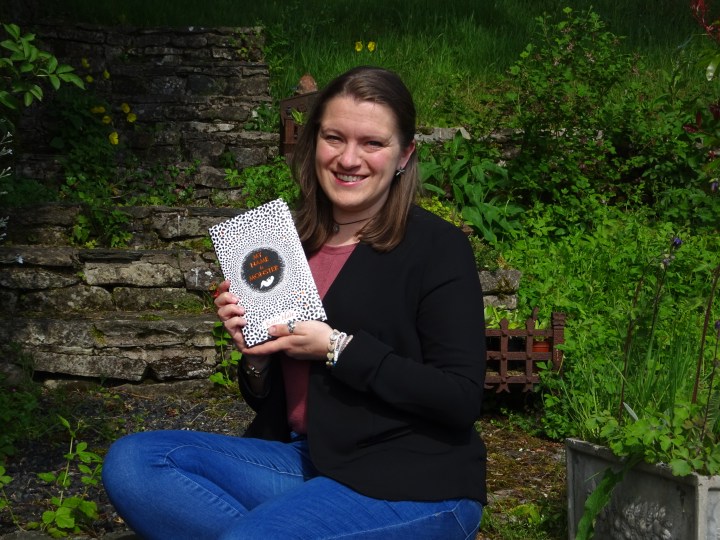
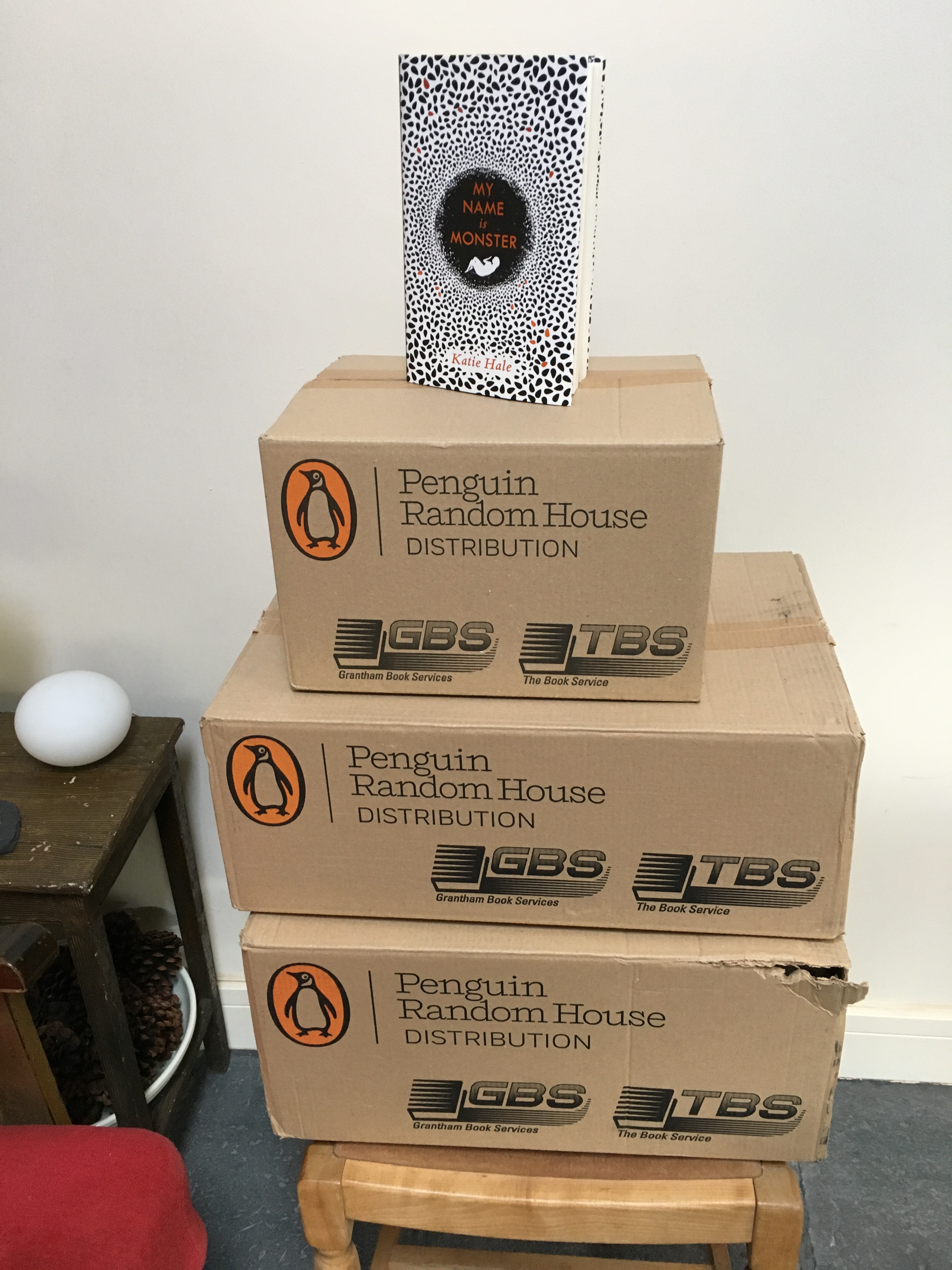






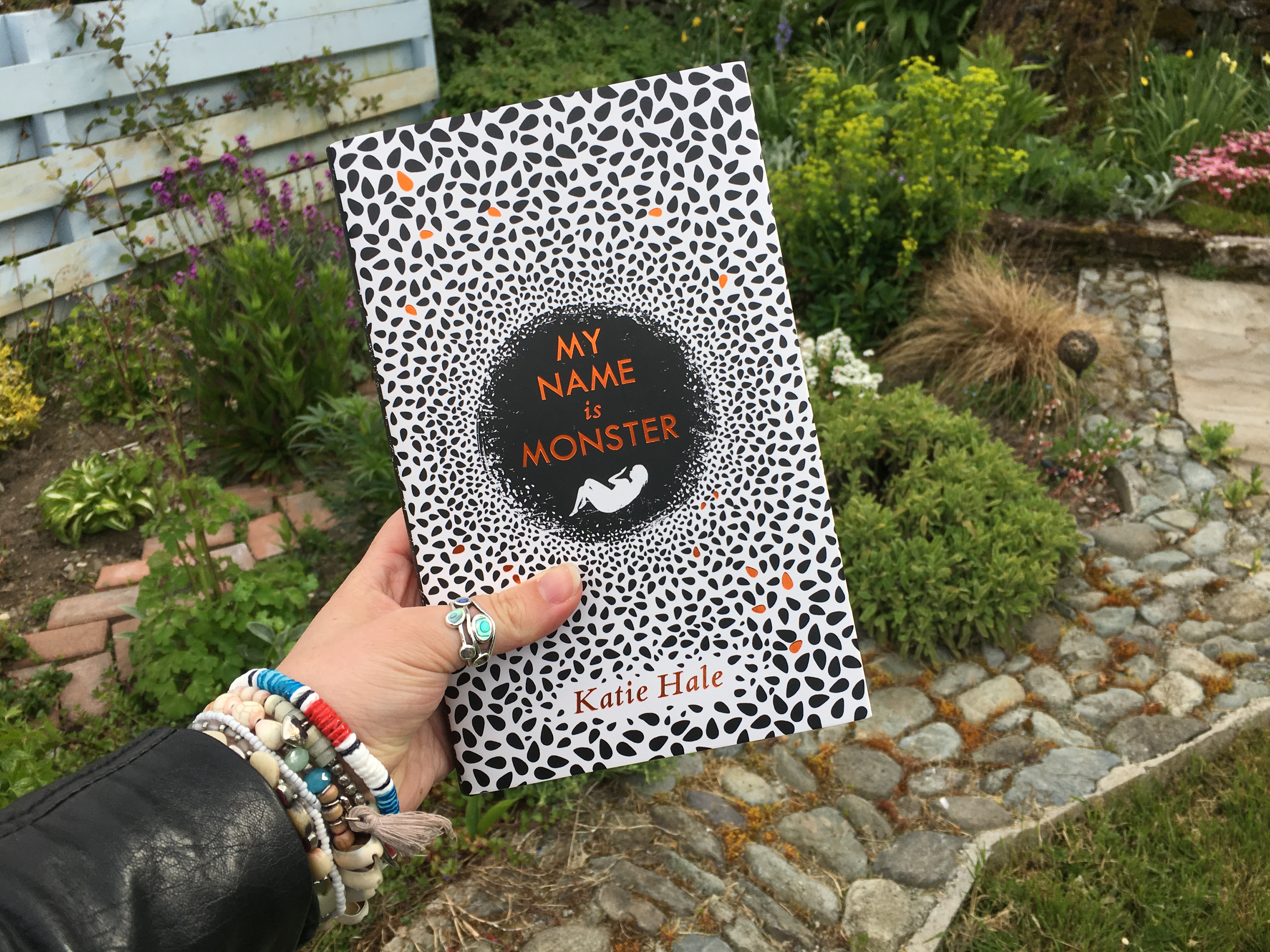


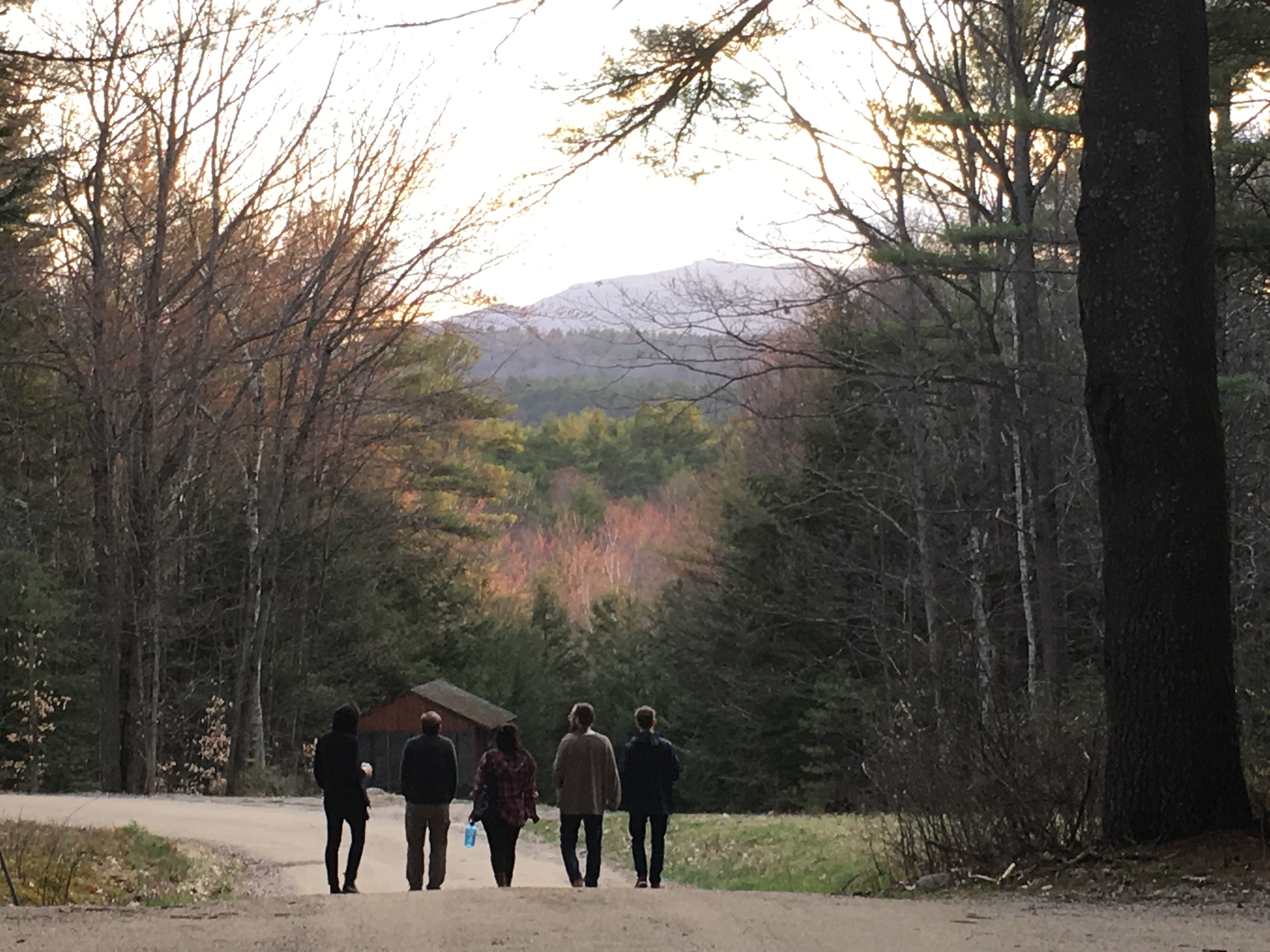


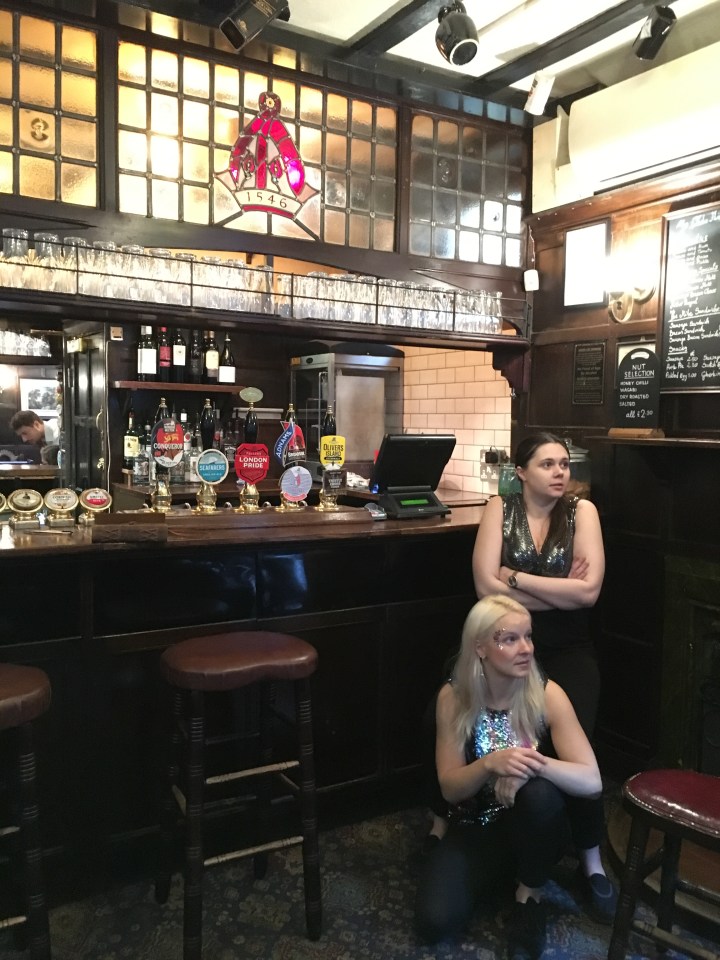


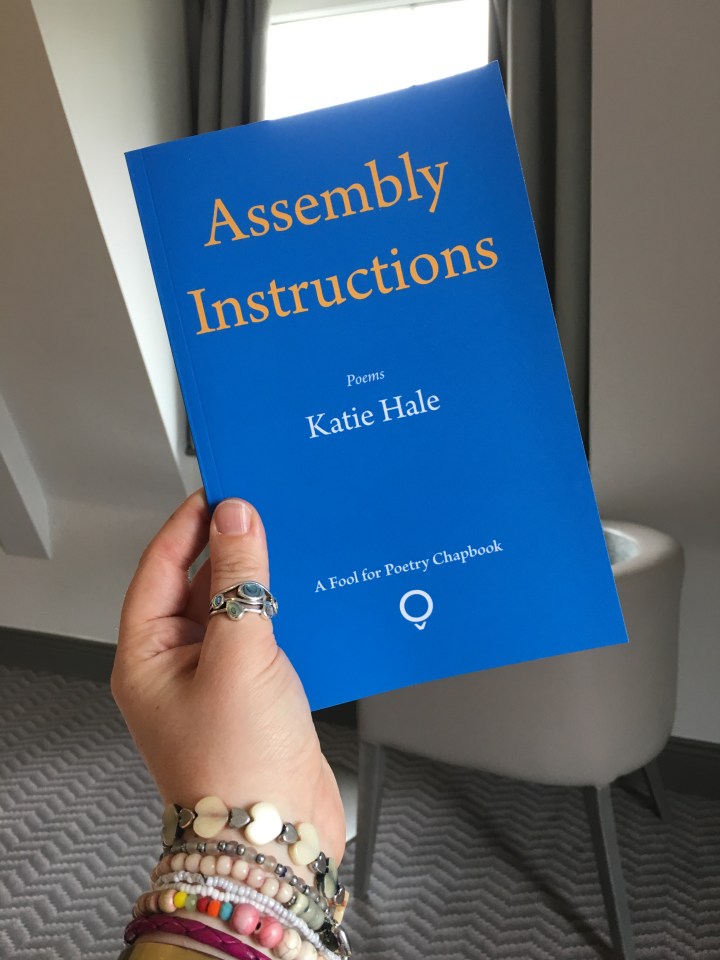




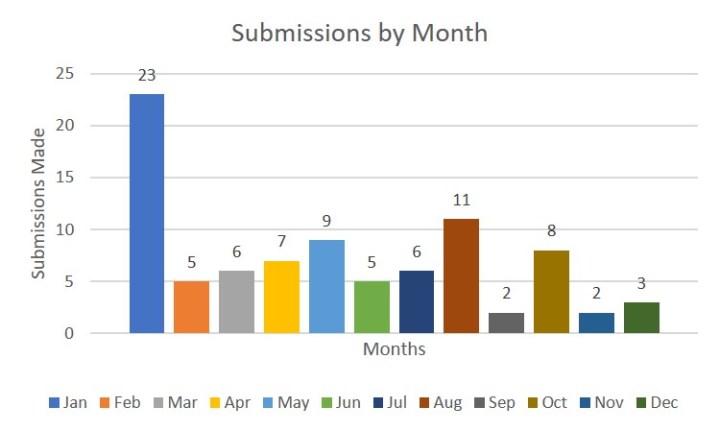
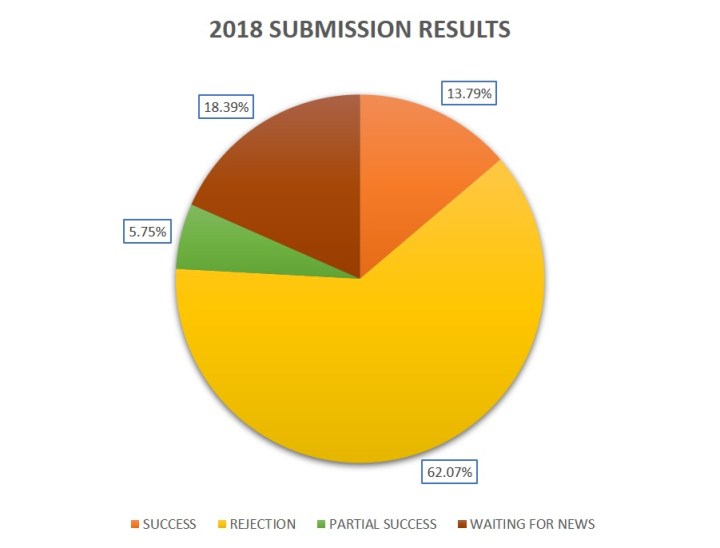




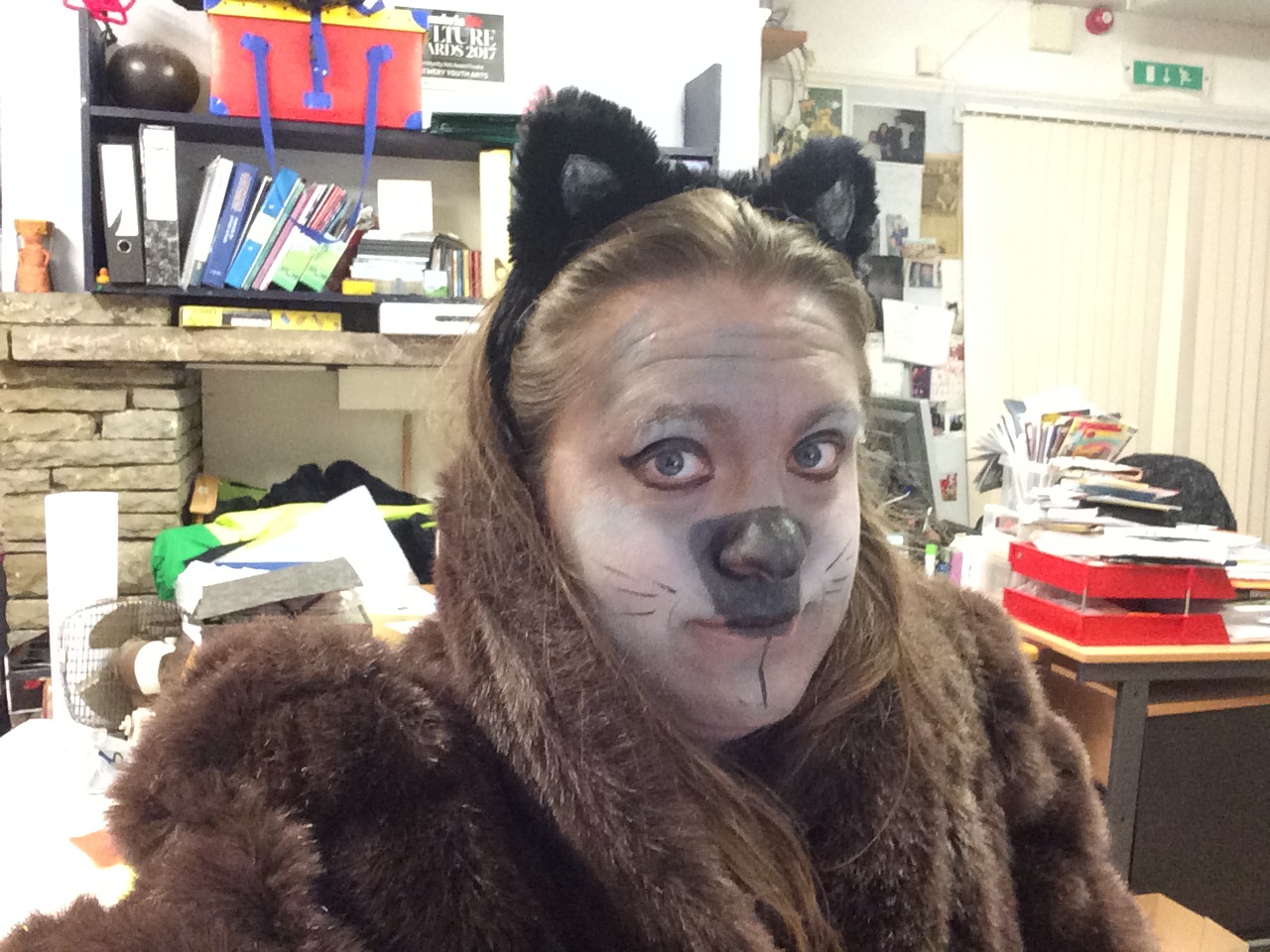


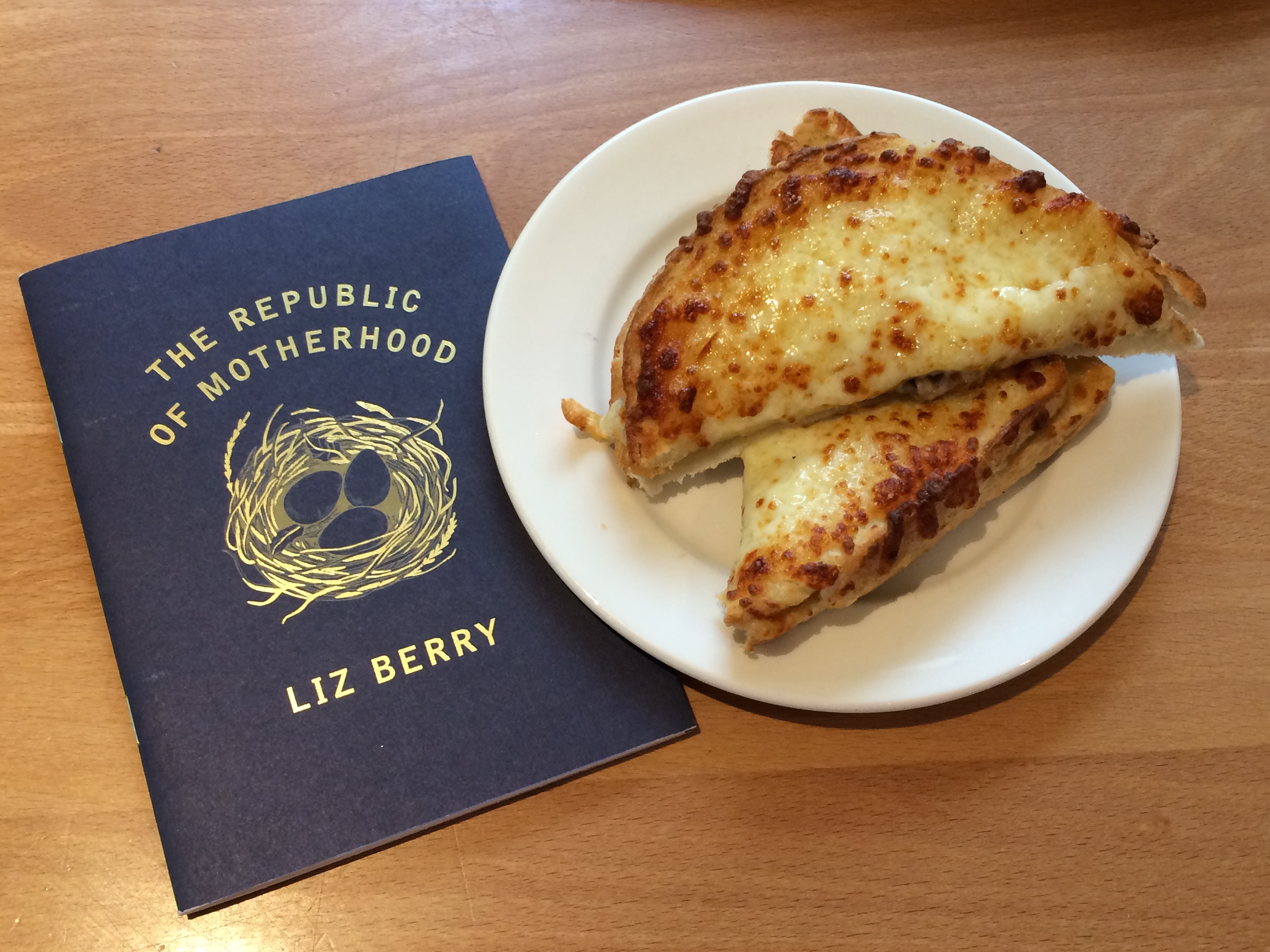






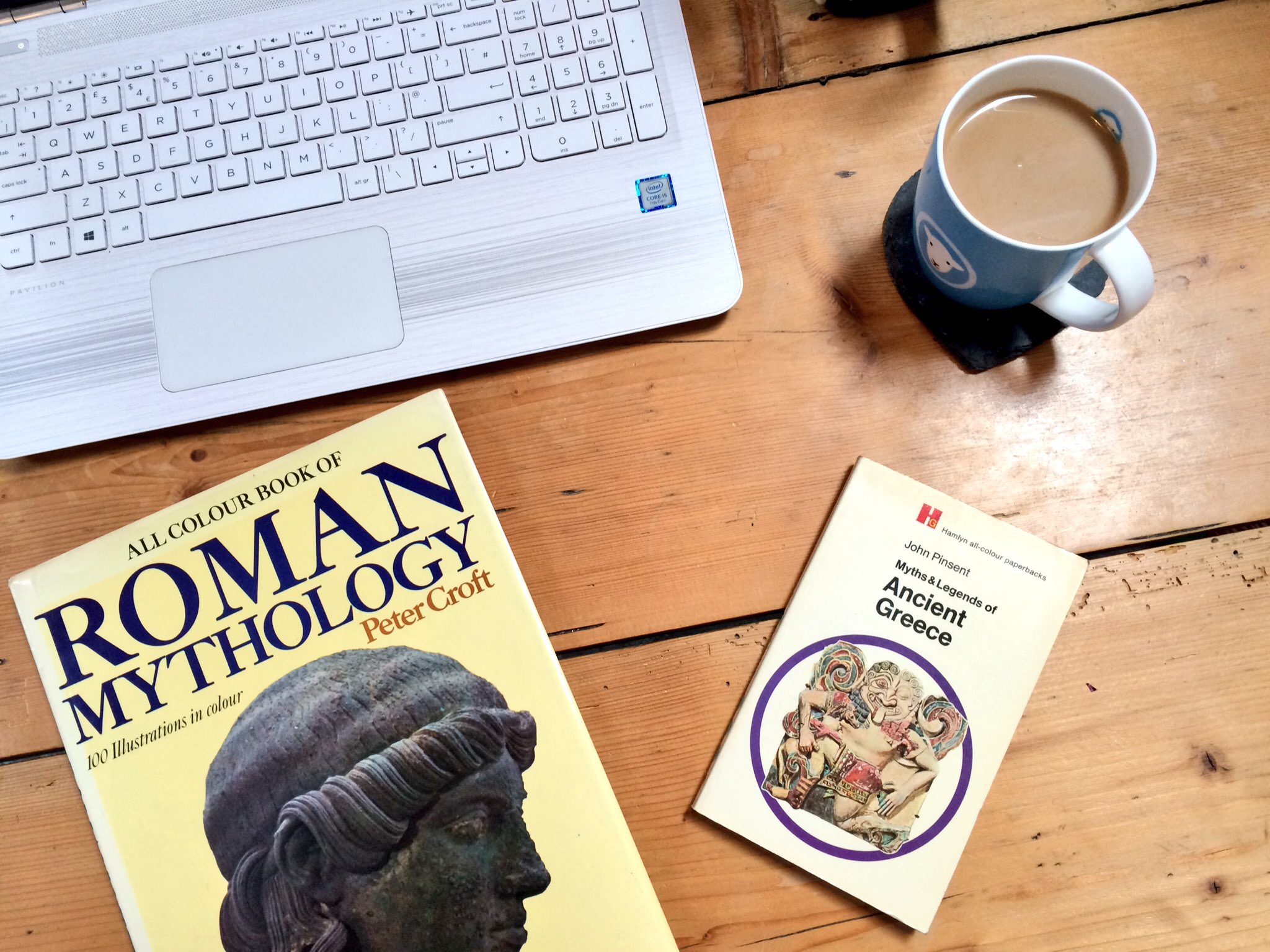



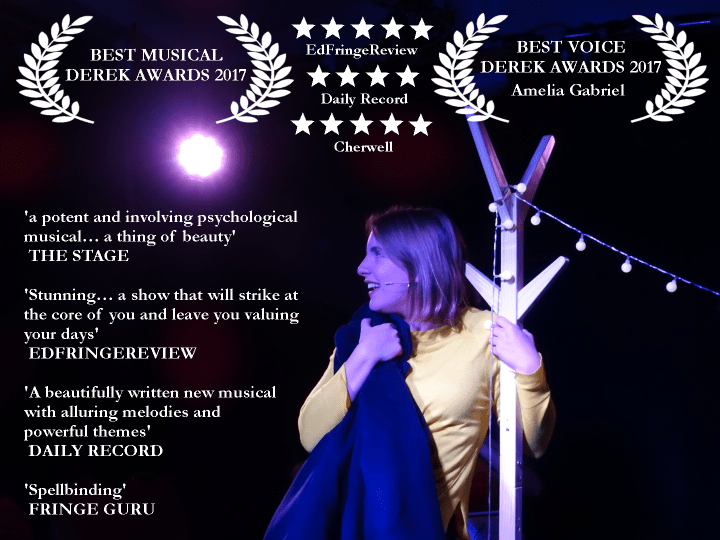


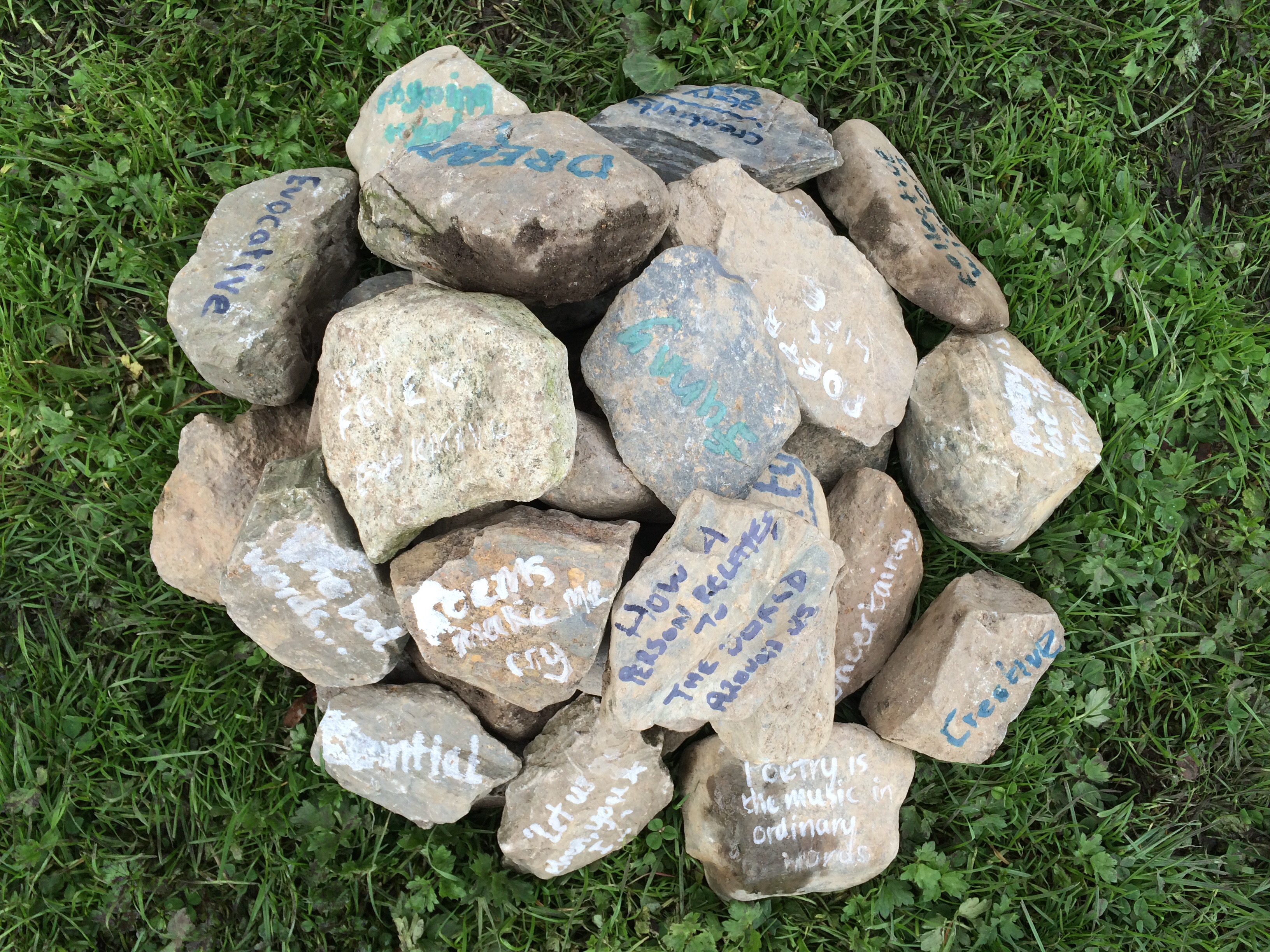
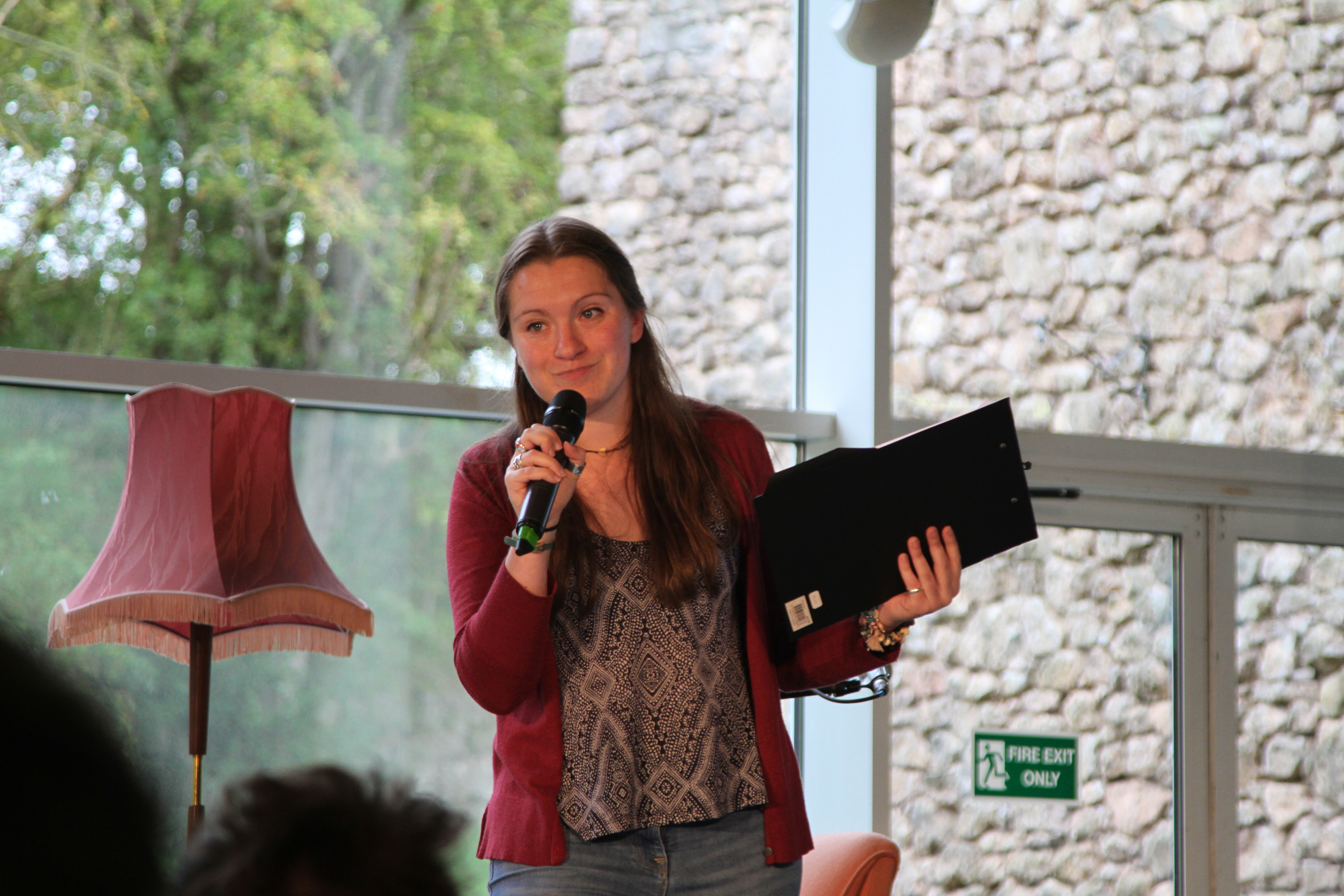
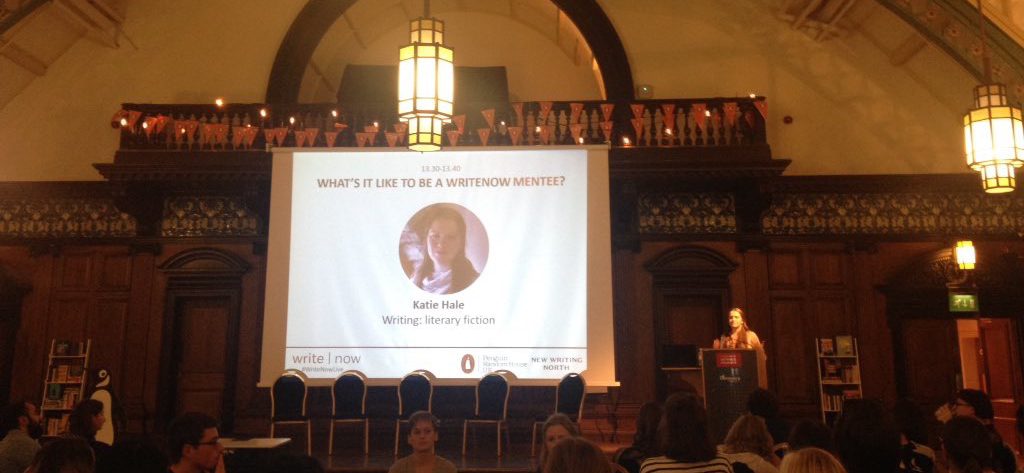




 Katie Hale